


Peniaphobia - Fear of Money And Poverty
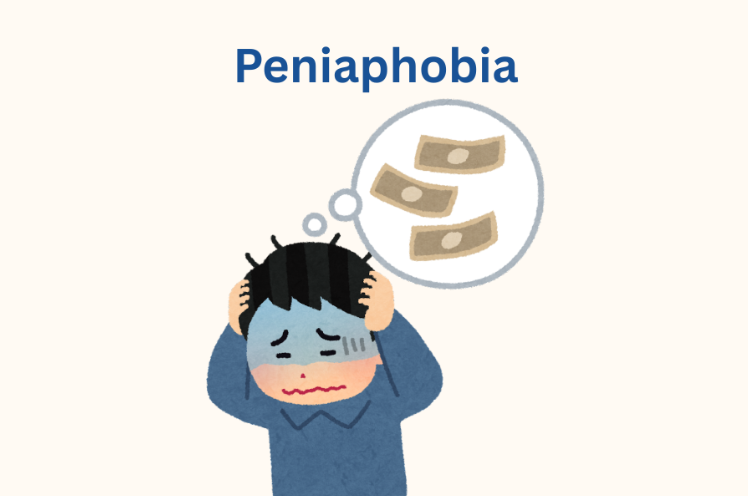
What is Peniaphobia?
Peniaphobia refers to the irrational or excessive fear of poverty. The term comes from the Greek words penia, meaning poverty, and phobos, meaning fear. Unlike practical financial caution, peniaphobia creates overwhelming anxiety that persists even when there is no immediate financial danger.
"AISA WAISA JAISA TAISA,
PAISAAA.
SOCHO PAISA NA HOTA TOH KAISA HOTA?"
We might have heard this dialogue somewhere on the reels, YouTube shorts, or maybe if anyone has watched the Hindi movie "Tamasha". Which means, 'If money were not in the equation, how would our lives be then?
I always wondered what if money didn't exist?
What if people didn't look at each other according to the amount of money an individual makes?
As we live in a world shaped by economic uncertainty, rising living costs, constant comparison on social media, and increasing economic pressure have intensified financial anxiety for many people. Over time, this anxiety can develop into a deeper and more persistent fear of poverty, known as peniaphobia. More than just worrying about money, peniaphobia reflects an overwhelming fear of becoming financially unstable, even when there may be no immediate threat. This constant fear can gradually affect a person's emotional well-being and increase the risk of mental health concerns.
Imagine having only forty rupees left at the end of the month while trying to feed a family of five, without knowing when your next salary will arrive. On the other side, imagine being a child watching your parents struggle to pay rent, manage debts, afford household necessities, and cover school fees, while feeling helpless because you do not know how to support them. Experiences like these can leave a lasting emotional impact.
As children grow older and begin earning for themselves, those early memories of instability may transform into an intense fear of poverty, shaping the way they think about money, success, and safety.
How Is Peniaphobia Different from Normal Financial Stress?
However, peniaphobia is not limited to people facing actual financial hardship. Even individuals who are financially stable may continue to feel unsafe and insecure. The fear of poverty goes beyond practical concerns about income or savings; it becomes a constant psychological burden. People experiencing peniaphobia often worry excessively about losing their job, falling behind societal standards, or becoming financially ruined despite being secure in reality. As a result, this fear of money can influence relationships, career decisions, lifestyle choices, and both physical and emotional health. In this way, peniaphobia extends far beyond ordinary money anxiety, becoming a persistent fear that shapes everyday life.
Research has shown that poverty and the fear of poverty are deeply connected to stress, anxiety, cognition, and social behavior. Even research in behavioral psychology and economics shows that financial anxiety can significantly alter decision-making, emotional regulation, and mental health.
What Are The Things A Person Does Who Has Peniaphobia?
A person with peniaphobia may:
- Obsessively save money
- Avoid spending on necessities
- Experience panic over financial decisions
- Work excessively due to fear of losing income
- Constantly compare their wealth with others
- Feel ashamed about financial limitations
- Avoid relationships or life milestones because of financial fear
Research on the psychology of poverty suggests that economic fears influence both cognition and emotional behavior. Money anxiety can create a cycle where fear affects decision-making, which may then worsen financial insecurity.
What Are The Common Symptoms of Peniaphobia?
Although peniaphobia is not officially classified as a separate disorder in major psychiatric manuals such as the DSM-5, psychologists often associate it with anxiety disorders, obsessive-compulsive tendencies, generalized anxiety, trauma responses, and scarcity-based thinking. Like many anxiety-related conditions, peniaphobia can show up emotionally, mentally, and physically. The following are the common symptoms of Peniaphobia -
Emotional Symptoms
- Constant fear about finances
- Panic when spending money
- Guilt associated with purchases
- Extreme stress over future uncertainty
- Fear of losing social status
Behavioral Symptoms
- Excessive saving or hoarding money
- Avoiding necessary expenses
- Working excessively without rest
- Obsessively checking bank accounts
- Refusing to take healthy financial risks
Physical Symptoms
- Rapid heartbeat
- Insomnia
- Fatigue
- Headaches
- Anxiety attacks
Online discussions and community experiences reveal that many individuals with fear of money and fear of poverty continue feeling unsafe despite having substantial savings.
What Are The Causes of Peniaphobia?
There is no single cause behind peniaphobia. It can develop due to a combination of past financial experiences, childhood exposure to money struggles, social pressure, and ongoing fear of economic uncertainty. Let's look in details -
Childhood Financial Trauma
One of the strongest causes of peniaphobia is growing up in financially unstable environments. Children who experience debt-related family conflict, Homelessness, Food insecurity, Sudden financial collapse, and economic neglect may develop long-term anxiety around money.
Research indicates that poverty-related stress in early life can influence cognitive and emotional functioning even in adulthood. Adults who experienced deprivation as children may continue behaving as if financial danger is always imminent, even when their circumstances improve.
Economic Instability
Economic recessions, unemployment, inflation, layoffs, and global crises contribute significantly to financial anxiety. The COVID-19 pandemic demonstrated how quickly economic uncertainty can impact mental health. Many individuals who had never experienced poverty suddenly feared losing jobs, housing, or savings. Researchers have found strong links between economic insecurity and psychological stress, depression, and impaired decision-making.
Social Pressure
Modern society often measures success through wealth, possessions, and lifestyle, creating fear around financial failure. Modern society constantly encourages people to compare lifestyles, income, possessions, and achievements. Social media intensifies this pressure by presenting curated images of luxury, success, and financial abundance. This environment creates a fear of falling behind. Many people begin to associate wealth with identity, respect, and social acceptance.
Recent studies examining digital media discourse suggest that fear-based messaging about economic instability can amplify peniaphobia and social anxiety.
Family Conditioning
Some families unintentionally transmit fear-based beliefs about money, such as: Money is everything, Poor people are failures, You must always struggle, Financial mistakes ruin lives. Children raised in such environments may internalize the idea that poverty equals danger, shame, or worthlessness.
Personality and Anxiety Disorders
Certain personality traits can increase vulnerability to peniaphobia, including: perfectionism, high neuroticism, chronic anxiety, need for control, and catastrophic thinking.
Research exploring fear of poverty found connections between socioeconomic perceptions and personality variables.
Read our article on top mental health challenges faced by older adults.
How Does Peniaphobia Affect Daily Life?
Peniaphobia can quietly take control of everyday decisions. Someone may stay in unhealthy jobs purely for financial security, avoid relationships due to money fears, sacrifice health and happiness to work more, Experience burnout from constant pressure to earn, and struggle to enjoy life despite financial stability.
Below is an example of how Peniaphobia affects the daily life of an individual-
Person X had good employment, a decent place to live (with many extra resources), and savings. Most people assumed he had a secure future in terms of finance. However, day after day, X would wake up feeling as if everything he did had a chance of disappearing that day.
His work was very stressful for him, yet he continued to go in. Financially unstable was a much bigger fear and source of stress than his daily job was. He worked additional late hours, answered work emails late at night, and just pushed himself to make more, thinking that stopping (to do anything but work) would equal losing the opportunity of having a good future.
Due to his fear, his personal life suffered as well; he would go out and see friends or go on vacations with friends, but typically would not go because the cost of doing so was too high to justify it for the enjoyment value; he would not enter into a serious relationship because he didn't believe he was capable of supporting someone else.
Over this time frame, he could no longer focus on taking care of himself (going to the doctor for check-ups, sleeping well, or allowing himself time off). He continually saved money, but (because of peniaphobia) he would not feel "safe" and typically would feel worried about potentially losing everything he had built if he did not continue to work or make more money.
Eventually, the pressure led to emotional burnout. X realized that his fear of poverty had quietly taken control of his decisions, relationships, health, and happiness. Like many people struggling with peniaphobia, he had sacrificed peace of mind in the endless pursuit of financial security.
This example highlights an important distinction: there is a difference between being financially responsible and living in constant fear of financial collapse. Saving money, planning for the future, and being mindful about expenses are healthy and necessary habits. However, when financial caution turns into obsessive worry, emotional distress, and an inability to ever feel secure, it may reflect something deeper than ordinary financial awareness.
Understanding this difference is essential because peniaphobia often disguises itself as responsibility or hard work, making it difficult for individuals to recognize when fear has begun controlling their lives.
What Are The Differences Between Healthy Financial Awareness And Peniaphobia?
Being financially responsible is healthy. Budgeting, saving, and planning for emergencies are essential life skills. However, peniaphobia differs because the fear becomes disproportionate and emotionally destructive.
A Financially Responsible Person:
- Saves reasonably
- Spends thoughtfully
- Plans for the future
- Maintains emotional balance around money
- Budgeting wisely
- Saving for emergencies
- Planning for retirement
- Avoiding unnecessary debt
A Person with Peniaphobia:
- Experiences chronic anxiety
- Avoids spending even on necessities
- Feels unsafe regardless of savings
- Bases self-worth entirely on wealth
- Lives in constant fear of economic collapse
- Obsessive fear of spending
- Constant panic about losing money
- Inability to feel financially secure
- Anxiety controls life choices
Financial responsibility creates peace of mind. Peniaphobia creates constant fear.
The distinction lies in the emotional intensity and the degree to which fear interferes with daily life.
How to Overcome Peniaphobia?
Recognize the Fear:
Identifying the root cause and understanding where the fear began is essential.
Ask: Did childhood experiences shape my fear? Am I influenced by social comparison? Do I associate money with self-worth? Self-awareness reduces unconscious fear patterns.
Build Financial Literacy:
Knowledge reduces uncertainty. Learning about budgeting, saving, investing, and emergency planning can help restore a sense of control. Financial education replaces catastrophic thinking with practical planning.
Challenging catastrophic thoughts
Cognitive Behavioral Therapy (CBT) techniques are highly effective for anxiety-related conditions. Instead of thinking: "I will lose everything." Reframe the thought: "I have resources, skills, and coping abilities." This process gradually weakens irrational fear patterns.
Practice Mindfulness
Meditation, journaling, and stress-management techniques can calm financial anxiety.
Redefine Success
Life is not measured solely by wealth. Relationships, health, peace, and purpose matter too.
Limit toxic comparison
Reducing exposure to unrealistic financial content on social media can improve emotional well-being. Remember that online lifestyles are often curated and incomplete.
Build emotional support
True security is not purely financial. Emotional resilience comes from:
- Supportive relationships
- Adaptability
- Skills
- Mental flexibility
- Self-worth beyond income
People who define themselves only through wealth often remain anxious regardless of income level.
Seek Professional Support
Therapists can help individuals process:
- Financial trauma
- Anxiety disorders
- Scarcity mindset
- Compulsive behaviors
Professional support is especially important when fear interferes with daily functioning.
Importance of a balanced relationship with money -
Money is an important part of life, but it should not become the foundation of identity or emotional stability.
Healthy financial thinking includes:
- Planning responsibly
- Accepting uncertainty
- Allowing enjoyment and rest
- Separating self-worth from wealth
A balanced mindset recognizes that financial security matters, but human value cannot be measured by bank accounts.
Peniaphobia, or the fear of poverty, reflects one of humanity's deepest anxieties: the fear of insecurity, instability, money anxiety and loss of survival resources. In today's economically uncertain and socially competitive world, this fear has become increasingly common.
Research in psychology and behavioral economics demonstrates that poverty-related stress affects cognition, emotional health, and decision-making. At the same time, social pressures, digital culture, and economic inequality continue to intensify financial anxiety across societies. However, peniaphobia can be managed and overcome. Through self-awareness, financial education, emotional resilience, therapy, and healthier perspectives on success, individuals can break free from fear-driven living.
The objective is to cultivate a better relationship with money, one in which financial preparation enhances life rather than dictates it, rather than to disregard financial responsibilities.
Ultimately, freedom from peniaphobia begins when people realize that security is not found only in wealth, but also in adaptability, emotional strength, relationships, and self-worth beyond material possessions.
Mental Health Care and Support in India
In India, conversations around mental health are slowly becoming more open, yet many people still struggle silently with stress, anxiety, and financial pressure. Fear related to money or money anxiety is often dismissed as "normal stress," which makes it harder for individuals to recognize when that fear begins affecting their mental health.
Seeking help should never be seen as weakness. Whether through therapy, counseling, support groups, or simply open conversations with trusted people, emotional support can make a significant difference. In recent years, mental health awareness in India has grown through online platforms, organizations, helplines, and professionals working to make psychological support more accessible and less stigmatized.
Creating awareness about fears such as peniaphobia is important because it helps people understand that financial anxiety is not always just about money - sometimes it is deeply connected to emotional experiences, survival fears, and self-worth. A healthier relationship with money begins not only with financial planning but also with compassion toward oneself and others navigating similar struggles.
image credit : freepik

Understanding Substance Abuse: Types, Causes And Warning Signs
Acrophobia - Fear of Heights: Signs and How to Treat It