


Peniaphobia Symptoms: Signs You Have a Fear of Poverty
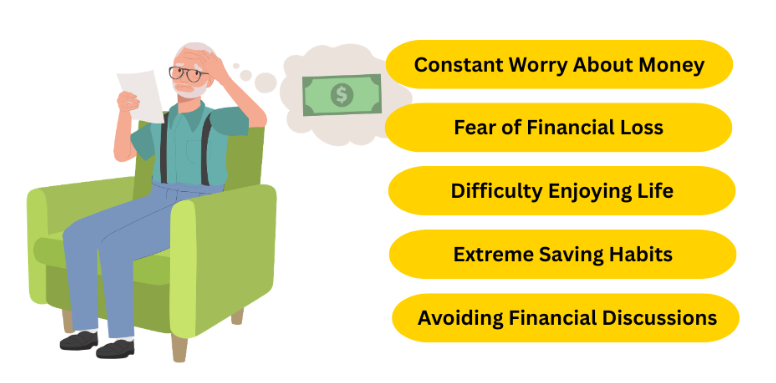
Symptoms of Peniaphobia
Peniaphobia symptoms are the emotional, mental, and behavioural signs linked to an intense fear of poverty or financial insecurity. Common signs of peniaphobia include constant worry about money, fear of losing financial stability, panic when spending, guilt after purchases, excessive saving, stress about future expenses, and avoiding financial decisions due to fear. People with a fear of poverty may also experience anxiety, difficulty enjoying life, and concerns about their social status or personal worth because of money-related thoughts. Identifying these symptoms can help individuals understand whether their financial worries are becoming overwhelming and affecting their daily life.
"It's not always the lack of money that creates fear. Sometimes, it's the thought of losing it."
It usually does not start big. You might be sitting with your phone, checking your bank balance for the third time in a day. Nothing has really changed. The numbers are the same. Still, something feels off. You close the app. Open it again. Just to be sure.
Most people worry about money while paying bills, while planning something important, while thinking about the future. In many cases, the feeling passes eventually. But for some people, it continues to stay. Even on a normal day, there is a quiet thought in the background - "What if something goes wrong?"
This is where it starts to shift. This ongoing fear is known as peniaphobia, and noticing peniaphobia symptoms early can help you understand when normal concern becomes something heavier.
So, What Is Peniaphobia?
Peniaphobia is the fear of becoming poor or losing financial stability. What makes it confusing is this:
You can feel this fear even when things are stable. You may have savings. A steady income. A plan. And still, the fear does not leave. For some people, it begins after a difficult financial phase. For others, it grows slowly due to pressure, comparison, or expectations. Over time, it starts affecting how you think. You may begin to question decisions more. You may hesitate before spending. You may feel less secure, even when nothing has changed.
Learn more about this from our blog, Peniaphobia - The Fear of Money and Poverty.
Why Does Fear of Poverty Affect Mental Health?
Money is often linked to safety. So when money feels uncertain, the mind reacts quickly. It becomes alert. It prepares for the worst. It does not relax easily. Over time, this can lead to:
- Anxiety and stress
- Trouble sleeping
- Irritability
- Difficulty focusing
- Emotional exhaustion
At first, these signs seem manageable. But when they continue for a long time, they start affecting daily life. This is why noticing early signs of fear of poverty matters.
What Are The Common Peniaphobia Symptoms?
Not everyone experiences this fear in the same way. Some people notice small changes. Others feel overwhelmed but cannot explain why. Understanding these peniaphobia symptoms helps you notice what is really happening.
1) Constant Worry About Money
The thoughts do not stop easily. They return during the day. During conversations. Even during rest. You might:
- Check your balance repeatedly
- Avoid spending on essentials
- Feel guilty after small purchases
At first, it feels like control. Later, it feels like pressure. It becomes difficult to stay present because your mind keeps going back to money.
2) Fear of Financial Loss
This fear often focuses on "what if" situations. What if I lose my job? What if something unexpected happens? Even when things are stable, the fear remains. This is one of the clearer signs of fear of poverty. It is not always logical. But it feels real.
The mind prepares for a problem that may never happen.
3) Difficulty Enjoying Life
There are moments meant to feel light. A meal outside. A short trip. A simple plan. But instead of enjoying them, you may feel uneasy. Spending money may feel uncomfortable. So you start avoiding:
- Outings
- Travel
- New experiences
Over time, life feels restricted.
4) Extreme Saving Habits
Saving is important. But when saving is driven by fear, it becomes stressful. You may:
- Avoid necessary expenses
- Delay medical care
- Work without breaks
- Feel anxious while spending
This is not planning. This is fear trying to stay in control.
5) Avoidance of Financial Discussions
Talking about money may feel uncomfortable. So it gets avoided. You may delay decisions. Avoid planning conversations. Feel tense discussing expenses. But avoiding it often increases confusion.
What Are The Physical Signs of Stress?
The body also responds. Some common money anxiety symptoms include:
- Headaches
- Muscle tension
- Fatigue
- Fast heartbeat
- Sleep issues
Sometimes the body reacts before the mind understands. You may feel tired even without doing much. These patterns often connect to ongoing money anxiety symptoms.
What Are The Emotional Signs of Fear of Poverty?
These changes are not always obvious. They build slowly.
1) Feeling Unsafe Without Savings
Even with enough money, there may be discomfort. Small expenses feel stressful. The sense of safety feels fragile.
2) Constant Comparison
It becomes easy to compare. With friends. With colleagues. With what you see online.
This leads to:
- Low confidence
- Dissatisfaction
- Pressure to do more
Comparison quietly increases fear.
3) Fear of Taking Risks
Even good opportunities feel risky. A new job. A new idea. You may hold back. This limits growth over time.
4) Shame Around Money Issues
Some people do not talk about these fears. They keep it inside. They may feel embarrassed or unsure. This silence increases stress.
What Are The Behavioural Changes Linked to Peniaphobia?
These changes do not happen suddenly. They develop slowly. You may:
- Avoid plans
- Become strict about spending
- Work continuously
- Delay decisions
- Seek reassurance often
Over time, these patterns feel heavy. Daily choices start feeling more difficult than they should.
What Are The Money Anxiety Symptoms You Should Notice?
Not all stress is the same. Occasional stress is normal. But constant stress feels different because it is dangerous. The key money anxiety symptoms include -
- Panic during payments
- Racing thoughts
- Irritability in discussions
- Trouble focusing
- Feeling stuck
If these appear often, it helps to talk to someone. Early awareness makes a difference.
How Does This Fear Show Up in Daily Life?
It does not always look serious. Sometimes, it looks very normal. You might pause before ordering something small. You might compare prices again and again. You might delay buying certain things you actually need. No one around you may notice. Even you may think, "I'm just being careful."
But slowly, it becomes tiring. You start thinking more than needed. You start doubting simple decisions. This is often how early peniaphobia symptoms begin to show up quietly.
What Causes Peniaphobia?
There is no single reason behind developing peniaphobia. It usually develops over time. And it is not a weakness. It is often shaped by experience.
1) Childhood Experiences
Growing up with financial stress and childhood trauma related to finance leaves an impact. It shapes how you see money later.
2) Financial Trauma
Job loss, debt, sudden expenses - these things create an explicit amount of financial trauma. Even after things improve, the fear can remain.
3) Social Pressure
As per the societal norm, success is often linked to money, which eventually creates pressure to keep up.
4) Mental Health Conditions
People dealing with anxiety are already at risk. They may feel financial anxiety or fear of poverty more strongly.
How Does Peniaphobia Affect Relationships?
Money stress does not stay personal. It affects relationships too. You may:
- Avoid discussions
- Control shared spending
- Feel misunderstood
- Withdraw
Small misunderstandings can grow if not addressed.
How to Manage The Fear of Poverty?
Now that we are able to recognise the real issue. Let's focus on the managing part. The reality is, you do not need big changes. Small steps also help.
1) Understand Your Triggers
Notice what increases your stress. Because awareness is the first step.
2) Plan Finances Clearly
Following simple steps helps you to have financial clarity:
- Track expenses
- Set goals
- Build an emergency fund
Clarity reduces fear and keeps you far from peniaphobia.
3) Practice Stress Management
To manage stress try:
- Deep breathing
- Exercise
- Meditation
- Journaling
These things will calm your mind.
4) Avoid Comparison
Focus on your own progress rather than comparing with others.
5) Build Financial Awareness
Understanding money builds confidence and that will help you to be aware about your finances.
Therapy for Peniaphobia
Sometimes, handling peniaphobia alone feels difficult. That is where therapy for peniaphobia can help. It gives a safe space to understand your thoughts. Professional help can make a real difference. For many people, therapy for peniaphobia becomes a space where they can talk about these fears without feeling judged.
Common approaches include:
- Cognitive Behavioural Therapy
- Stress management
- Counseling
Therapy for peniaphobia helps shift negative patterns over time.
When Should You Seek Help?
You may need support if:
- Sleep is affected
- Stress feels constant
- Work becomes difficult
- Relationships are affected
Today, mental health support and care in India are becoming more accessible and reaching out for help is a step forward.
Can Peniaphobia Be Treated?
Yes.
With the right support, it becomes manageable.
You can learn to:
- Reduce fear
- Build healthier habits
- Think more clearly
Small Daily Habits That Can Help
Not everything needs to change at once. Small steps are often enough in the beginning. You can start with simple things.
- Check your finances once or twice a day instead of repeatedly.
- Take a short pause when your thoughts start racing.
- Write down what is worrying you instead of holding it in your mind.
Sometimes, even reminding yourself that things are okay right now can help.
These habits may not remove the fear immediately. But they slowly reduce how strong it feels. Over time, the mind learns that it does not need to stay alert all the time.
Final Thoughts
This fear does not always appear loudly. Sometimes, it sits quietly in everyday choices.
- You delay spending.
- You rethink small decisions.
- You keep asking yourself, "What if?"
Over time, it becomes exhausting. But noticing peniaphobia symptoms is a strong first step. You do not need to solve everything at once. Even awareness is progress, and slowly, that awareness can help you feel more steady, more secure, and less overwhelmed by the constant pressure around money.
image credit : freepik

Understanding Substance Abuse: Types, Causes And Warning Signs
Acrophobia - Fear of Heights: Signs and How to Treat It