


Signs And Symptoms of Anger Issue
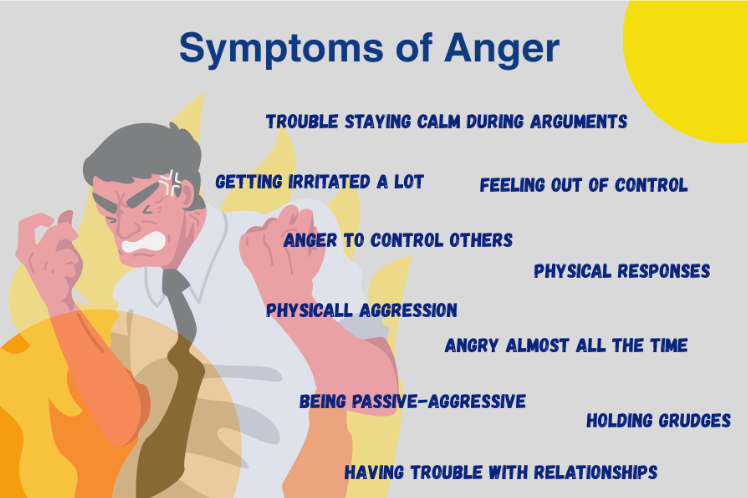
Everyone experiences anger from time to time, especially in response to stress, frustration, or challenging situations. However, when anger becomes frequent, intense, or difficult to control, it may indicate anger issues. Common signs of anger issues include irritability, aggressive reactions, holding grudges, and feeling out of control during conflicts. Recognizing the symptoms of anger issues early can help prevent negative effects on relationships, mental health, and overall well-being. This guide explores the signs, causes, effects, and healthy ways to manage anger.
Anger is a feeling that occurs when we are treated badly or feel hurt. Anger can be good when it helps us to stand up for ourselves and say how we feel. On the other hand, anger is not good when it gets too much or happens all the time, and we cannot stop it. Many people are completely unaware that they have an anger problem. They may think they are just feeling tired or stressed. But if we don't deal with our uncontrolled anger, we might hurt our friendships, work, bodies, and how we feel inside. Hence, we need to know when we are too angry so that we can get some help and learn to feel better. Anger problems do not just hurt the person who is angry; rather, they hurt other people too. They affect the people around them, such as family, friends, and co-workers.
This article is going to talk about what anger issues are, what the signs and symptoms of anger issues are, what causes them, how they can affect your health, and the ways to manage your anger more healthily. Mpower, the holistic mental health care provider in India offers one of the best therapy solution for anger issues.
So, What Are Anger Issues?
Anger issues are the situations when you find difficulty controlling your emotions and reactions. People with anger problems may shout aggressively at others. They can even become violent or stay angry for a longer period of time.
Apparently, it's OK to be angry; however, the problem arises when your anger starts to hurt your life. Some people become all quiet when they're angry, and some become loud and emotional. People with anger issues often have trouble calming down after they get upset. They may do things without thinking. You can feel bad about it later.
Why Do People Get Anger Issues? What Are The Causes of Anger Issues?
Anger issues can develop for many different reasons, often involving a combination of personal experiences, environmental influences, and emotional challenges. Understanding the underlying causes of anger issues can help individuals identify the triggers and develop healthier ways to manage their reactions. The causes are as follows -
Stress And Daily Pressure
Ongoing stress from work, school, financial responsibilities, relationships, or other daily challenges can increase frustration and make it harder to regulate emotions. When stress builds up over time without healthy coping strategies, it can contribute to frequent irritability and angry outbursts.
Even early life experiences can also play a role. Children who grow up in environments where anger, conflict, or aggressive behaviour are common may learn to respond to stress and difficult emotions in similar ways. As a result, they may find it more challenging to develop healthy emotional regulation skills later in life.
Mental Health Issues
Certain mental health conditions, such as anxiety, depression, and chronic stress, can increase irritability and make it more difficult to manage emotions effectively. When emotional distress remains unaddressed, individuals may become more reactive to everyday situations and struggle to control their anger. Here, addressing underlying mental health concerns can play an important role in improving emotional regulation and reducing anger-related challenges.
Not Being Able to Express Yourself
Many people struggle to express their thoughts, needs, and emotions in a healthy and constructive way. Instead of communicating how they feel, they may become frustrated, defensive, or aggressive, causing anger to build up over time. Developing effective communication skills can help individuals express their emotions more clearly, resolve conflicts peacefully, and manage anger in a healthier manner.
What Are The Signs of Anger Issues
If you can recognize the signs of anger issues, you can get help before things get worse. Hence, knowing and being able to understand the signs and symptoms is very important.
1. Getting Irritated a Lot
If you have anger issues, you might get annoyed at things that happen every day. Your friends and family might notice that you are always negative or impatient.
2. Having Trouble Staying Calm During Arguments
It is normal to argue with people. If you have anger issues, you might lose control during those arguments. You might yell at people or say mean things.
3. Being Physically Aggressive
If you get physical when you are angry, like hitting things or hurting people, that is the worst sign of anger issues.
4. Holding Grudges
If you have trouble forgiving people, you might stay angry for a long time. This can cause stress and affect your mental health.
5. Feeling Out of Control
Some people with anger issues say they feel like they cannot stop themselves from reacting when they're angry. They might do things without thinking. Then regret it later.
6. Being Passive-Aggressive
Not everyone angry will become aggressive . Some people might give the treatment of sarcasm or ignore others.
7. Having Trouble with Relationships
Are you someone who has a lot of trouble with relationships? This is because you get angry easily. You might find it hard to maintain relationships. You might fight with people a lot. Even people feel scared and uncomfortable when they are around you.
8. Having Physical Symptoms When You Are Angry
When someone gets really angry, their body also responds abnormally. Their heart starts beating fast. Their muscles become tight. This thing happens with anger issues. Anger makes people's bodies react in different ways.
9. Feeling Most of the Time
If you are angry almost all the time, it can be really exhausting and affect your overall health. This is one of the symptoms of anger issues.
10. Using Anger to Control Others
Some people use anger to get what they want from others. This can create trouble in relationships at home or at work.
What Are The Signs of Anger Issues in Children and Teenagers?
Children and teenagers can also experience anger, often in response to academic pressure, family conflicts, social challenges, or emotional difficulties. When these feelings become overwhelming, they may struggle to regulate their emotions and express their frustration in healthy ways.
Parents should also watch for signs like:
- temper tantrums
- aggressive behaviour
- trouble following rules
How Does Uncontrolled Anger Affect Mental Health?
If you do not manage your anger, it will definitely affect your health. You might feel more anxious or depressed because of anger issues. Because -
- Anger can also affect your health.
- You might have high blood pressure.
- You could have trouble sleeping.
- Your immune system might be weaker.
Other than your health, having anger issues can hamper your relationships with family, friends, or co-workers also.
- You might make people feel scared.
- They might be uncomfortable because of your anger.
Anger issues take time and effort to get under control.
- If you make changes, you may feel better over time.
- First, discover what it is that makes you angry.
- Keep a journal to track your emotions.
Next, try to pause before you react when you are angry. Rather than reacting immediately,
- Take a breath.
- Walk away from the situation.
- Do something to calm down.
Do something relaxing.
- It is also really important to communicate effectively.
- Try expressing your feelings without blaming others.
- Express your feelings without attacking others.
- Here, exercise can reduce your stress and boost your mood.
Try doing something each day, such as walking or yoga.
Don't drink alcohol or do drugs to cope with your emotions and anger problems. These are substance abuse issues, which can worsen your anger problems. Maybe you should get help from an experienced therapist or counsellor. They can help you understand your feelings. They can help you learn coping skills. If you are struggling with anger issues, don't be afraid to ask for help.
What Kind of Help Should You Expect Here?
There are options like therapy or support groups. Dealing with anger issues is not something that you learn overnight. So,
- You might want to consider therapy or counselling.
- They can help you know your feelings.
- They can help you build coping skills.
So, if you have a problem with anger, don't be afraid to ask for help. Because,
- It takes time and effort to deal with anger problems.
- You can feel better if you make changes every day.
- You can live a healthier life with less anger.
Healthy daily habits can also help you manage your anger issues. So,
- Try to get sleep.
- Eat healthy food.
- Drink plenty of water.
- Spend time outside.
- Reduce your screen time.
- Try to relax every day.
Taking care of your mental and physical well-being is an important step toward managing anger effectively. Seeking professional support when needed can help you understand your triggers and develop healthier coping strategies. Openly expressing your emotions instead of suppressing them can reduce frustration and improve emotional regulation. Maintaining strong social connections and spending time with supportive people can provide comfort, perspective, and encouragement. Additionally, following a consistent daily routine can create a sense of stability, lower stress levels, and make it easier to manage anger healthily.
Are There Any Myths About Anger Issues?
Anger is one of the most misunderstood emotions, which has led to many misconceptions about anger issues. These myths can prevent people from recognizing their struggles and seeking the support they need. Here are some common myths about anger and the facts behind them:
Myth 1: Anger Is Always Bad
Anger itself is not a negative emotion. It is a natural human response to situations such as frustration, injustice, or perceived threats. The real concern is not feeling angry but how that anger is expressed and managed.
Myth 2: People with Anger Issues Are Always Violent
This is a common misconception. Not everyone with anger issues becomes physically aggressive. Some individuals express their anger verbally, while others suppress it and keep their feelings hidden, which can also affect their mental well-being and relationships.
Myth 3: Anger Cannot Be Controlled
Anger can be managed effectively. With self-awareness, healthy coping strategies, and professional support when needed, people can learn to regulate their emotions and respond to challenging situations more calmly and constructively.
Understanding the truth about anger can help reduce stigma and encourage people to seek healthy ways to manage their emotions.
Final Thoughts
Recognizing the signs of anger issues is essential for maintaining emotional well-being and healthy relationships. Anger-related difficulties often begin with mild reactions that gradually become more intense if left unaddressed. Ignoring these warning signs can affect various aspects of life, including relationships, physical and mental health, work performance, and daily functioning. Understanding the symptoms of anger issues allows individuals to identify challenges early and take proactive steps toward emotional growth and healthier coping mechanisms. Most importantly, seeking help for anger-related concerns is a sign of strength, not weakness.
Learning to manage anger can significantly improve emotional balance, communication, decision-making, and overall quality of life. With the right support system, professional guidance, healthy routines, and greater self-awareness, individuals can develop constructive ways to respond to stress, frustration, and conflict. While managing anger takes time, patience, and consistent effort, positive change is possible. By building healthier emotional habits and strengthening interpersonal relationships, people can gain greater control over their reactions and lead more fulfilling, balanced lives.
FAQs
What is the psychology of anger?
Anger is a natural human emotion that occurs when a person feels threatened, hurt, frustrated, disrespected, or unable to control a situation. From a psychological perspective, anger is the brain's response to a perceived threat and activates the body's fight-or-flight response. It can be useful when it motivates someone to solve problems or set boundaries, but uncontrolled anger can negatively affect relationships, mental health, and decision-making.
What is the best therapy for anger management?
The most effective therapy for anger management is Cognitive Behavioral Therapy (CBT). CBT helps people identify negative thought patterns, understand their anger triggers, and develop healthier ways to respond to stressful situations. Other approaches, such as Dialectical Behavior Therapy (DBT), mindfulness-based therapy, relaxation techniques, and anger management counseling, can also help people regulate emotions and improve self-control.
What are warning signs of anger?
Common warning signs of anger include:
- Increased heart rate or physical tension
- Clenching fists or tightening muscles
- Raising voice or speaking aggressively
- Feeling irritated, frustrated, or impatient
- Negative thoughts such as "They always do this" or "This is unfair"
- Difficulty listening or seeing another person's perspective
- Wanting to blame others
- Acting impulsively or becoming verbally aggressive
Recognizing these early signs can help a person manage anger before it escalates.
What are the 4 types of anger?
The four common types of anger are:
- Passive anger - Expressing anger indirectly through silence, avoidance, sarcasm, or subtle resistance.
- Aggressive anger - Expressing anger through shouting, threats, intimidation, or harmful behavior.
- Passive-aggressive anger - Showing resentment indirectly while pretending everything is fine.
- Assertive anger - Expressing anger in a healthy way by communicating feelings, setting boundaries, and seeking solutions.
What is the root cause of most anger?
The root cause of anger is often not the situation itself but the emotions and beliefs behind it. Common underlying causes include feeling hurt, rejected, powerless, disrespected, misunderstood, afraid, or overwhelmed. Many people experience anger as a secondary emotion that covers deeper feelings such as sadness, insecurity, fear, or disappointment.
Understanding the real trigger behind anger is an important step toward managing it effectively.
image credit : freepik

Understanding Substance Abuse: Types, Causes And Warning Signs
Acrophobia - Fear of Heights: Signs and How to Treat It