


How to Find LGBTQ+-Competent Therapists and Mental Health Resources
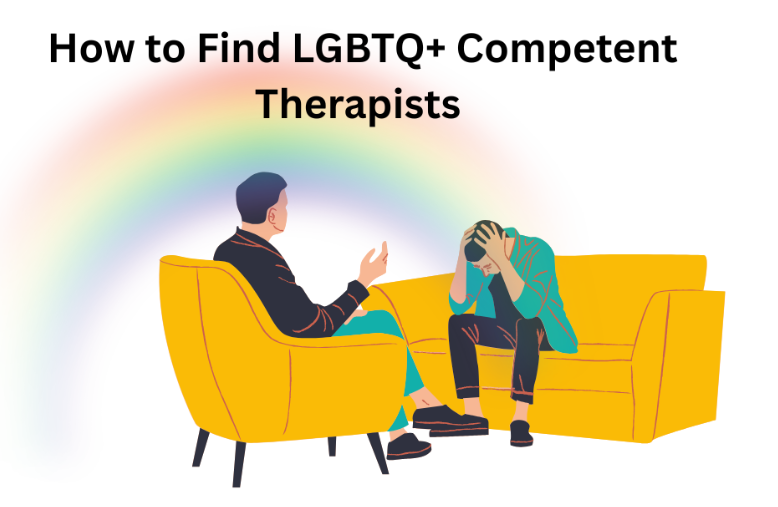
Finding LGBTQ+-competent therapists and mental health resources can make a meaningful difference in receiving care that feels safe, respectful, and affirming. For LGBTQ+ individuals, mental health support goes beyond traditional therapy; it requires professionals who understand the unique experiences, challenges, and identities within the LGBTQ+ community. An LGBTQ+ affirming therapist can provide a judgment-free space to explore concerns related to self-acceptance, identity, relationships, coming out, discrimination, anxiety, depression, and overall emotional well-being. In this guide, we'll explore how to find LGBTQ+-competent therapists, what qualities to look for in an affirming mental health professional, and where to access trusted LGBTQ+ mental health resources for inclusive care.
Mental health care is a universal need. Every person deserves a safe space where they can be heard, understood, and accepted without judgment. However, for many LGBTQ+ individuals, finding that safe space can sometimes feel difficult. While awareness and acceptance have grown over the years, many people within the LGBTQ+ community continue to experience unique emotional, social, and psychological challenges. This is why affirming care matters. Affirming care goes beyond simply accepting someone's identity. It means respecting, validating, and supporting a person's lived experiences while creating an environment where they can freely express themselves.
The right mental health care can be life-changing. It can help individuals build resilience, process difficult experiences, improve relationships, and enhance overall well-being.
Why Does LGBTQ+ Affirming Care Matter?
Members of the LGBTQ+ community often face challenges that may impact their mental well-being, including:
- Social stigma and discrimination
- Fear of rejection from family or friends
- Bullying or harassment
- Workplace discrimination
- Internalized shame or guilt
- Identity-related stress
- Fear of coming out
- Lack of social support
Experiencing these situations repeatedly can increase stress and emotional exhaustion over time. This does not mean that being LGBTQ+ causes mental health difficulties. Rather, it is the stress created by societal attitudes, discrimination, and lack of acceptance that can negatively affect emotional well-being.
When people receive affirming support, they often feel safer, more confident, and more connected to themselves and others.
What Is An LGBTQ+ Competent Therapist?
An LGBTQ+-competent therapist is a mental health professional who understands the diverse experiences, identities, and challenges faced by LGBTQ+ individuals.
They create a non-judgmental and inclusive environment where clients do not have to educate their therapist about their identity.
- Uses respectful and inclusive language.
- Respects pronouns and chosen names.
- Understands gender identity and sexual orientation.
- Is aware of minority stress and discrimination.
- Supports exploration of identity without imposing personal beliefs.
- Creates a safe, confidential, and validating space.
Therapy is not about changing who someone is. It is about helping individuals become healthier, happier, and more empowered versions of themselves.
How to Know That Your Therapist is LGBTQ+-Competent?
Finding the right therapist can sometimes take time, and that is completely okay. Here are some positive signs to look for:
1. They Ask About Pronouns Respectfully
An affirming therapist may ask: "What pronouns would you like me to use?" This demonstrates respect and inclusivity.
2. They Create a Safe Space
You should feel comfortable speaking openly without fear of judgment.
3. They Continue Learning
Competent therapists continuously educate themselves about LGBTQ+ issues, terminology, and evolving experiences.
4. They Validate Your Experiences
Instead of minimizing your struggles, they acknowledge and support your feelings.
5. They Focus on Your Goals
Your identity is one part of who you are, not the entirety of your life. A good therapist supports all areas of your well-being.
What Questions Should You Ask Before Starting Therapy?
It is perfectly acceptable to ask questions before beginning therapy. Some examples include:
- Do you have experience working with LGBTQ+ clients?
- What is your approach to affirming care?
- How do you create an inclusive environment?
- Have you received training related to LGBTQ+ mental health?
- How do you support individuals exploring their identity?
Remember, therapy is a partnership. You have the right to choose a therapist who makes you feel comfortable and supported.
Why Is Access to Mental Health Resources Important?
Seeking help should never feel overwhelming. Accessible mental health resources help individuals receive support when they need it the most. These resources can include:
- Professional Support - Psychologists, Counselors, Psychiatrists, Psychotherapists
- Community Support - Support groups, Peer communities, LGBTQ+ organizations
- Digital Resources - Mental health apps, Online counseling, Educational platforms, Helplines
- Educational Resources - Books, Podcasts, Awareness campaigns, Workshops
The more accessible mental health resources become, the easier it is for individuals to seek help without fear or hesitation.
How Can Families Support LGBTQ+ Loved Ones?
Family support can have a tremendous impact on emotional well-being. You do not have to be an expert to provide support. Small actions make a big difference.
- Listen Without Judging - Allow your loved one to express themselves openly.
- Instead of saying: "This is just a phase." Try saying: "Thank you for trusting me with this."
- Respect Their Identity - Use their chosen name and pronouns.
- Educate Yourself - Learning helps reduce misconceptions and increases understanding.
- Avoid Pressuring Them - Everyone's journey is unique. Allow them to move at their own pace.
- Celebrate Their Authenticity - Acceptance strengthens emotional safety and belonging.
- How Friends Can Become Better Allies - Support from friends can be equally powerful.
- You can: Use inclusive language, speak up against bullying and discrimination, correct misinformation respectfully, create safe spaces, check in regularly, and offer emotional support.
- Sometimes, simply saying, "I am here for you," can make someone feel less alone.
- The Role of Schools and Workplaces - Creating affirming environments is a shared responsibility. Schools and workplaces can contribute significantly by: In schools, anti-bullying policies, inclusive education, counseling support, and safe discussion space. In Workplaces - diversity and inclusion initiatives, employee assistance programs, mental health workshops, zero tolerance for discrimination.
Everyone deserves environments where they can thrive without hiding who they are.
What Does Good Mental Health Care Look Like?
Effective mental health care is compassionate, accessible, and person-centered. Good mental health care includes:
- Emotional Safety - People feel accepted and respected.
- Accessibility - Support is available without excessive barriers.
- Cultural Sensitivity - Professionals understand diverse experiences.
- Confidentiality - Personal information remains protected.
- Holistic Care - Mental, emotional, physical, and social well-being are all considered.
Good mental health care is not a privilege; it is an important component of overall health.
How Can We Build Better Mental Health Care and Support?
Creating better mental health care and support requires collective effort. Here are some ways society can help:
- Normalize Conversations About Mental Health - Open discussions reduce stigma.
- Improve Professional Training - Healthcare professionals should receive ongoing LGBTQ+ affirmative training.
- Increase Accessibility - Affordable and inclusive services should be available to everyone.
- Build Community Networks - Strong communities reduce isolation.
- Promote Acceptance - Kindness and understanding improve emotional well-being.
Every person deserves compassionate mental health care and support, regardless of their identity.
What Are The Self-Care Tips for LGBTQ+ Individuals?
Professional support is valuable, but everyday Self-Care also matters. Try:
- Build Your Support System - Surround yourself with accepting people.
- Set Healthy Boundaries - Protect your emotional energy.
- Practice Self-Compassion - Speak to yourself with kindness.
- Engage in Activities You Enjoy - Hobbies can improve mood and reduce stress.
- Seek Help Early - You do not have to wait until things become overwhelming. Reaching out for support is a sign of strength, not weakness.
You Are Not Alone. Every person's journey is different. Some people may have supportive families and communities, while others may still be searching for acceptance. No matter where someone is in their journey, they deserve respect, dignity, and support.
Affirming care is not about treating people differently. It is about ensuring that every individual receives compassionate, inclusive, and equitable care. Mental health professionals, families, schools, workplaces, and communities all have a role to play.
A small act of acceptance can have a lifelong impact. When people feel safe to be themselves, they are more likely to thrive emotionally, socially, and psychologically.
Creating a world that prioritizes inclusion benefits everyone. Because at the end of the day, every human being deserves to feel seen, heard, valued, and accepted.
Why Is It Important to Create Safe Spaces Every Day?
Supporting LGBTQ+ individuals does not always require grand gestures. Sometimes, everyday actions can make the biggest difference. Creating safe spaces at home, schools, workplaces, and within communities can significantly improve emotional well-being and help individuals feel accepted for who they truly are.
Safe spaces are environments where people do not fear judgment, discrimination, or rejection. They are spaces where individuals can express themselves authentically without constantly worrying about being misunderstood.
Read our article on How Self-Acceptance Can Transform Mental Health in the LGBTQ+ Community.
As a society, we can contribute in small yet meaningful ways. We can start by using inclusive language, avoiding assumptions about someone's identity, and respecting people's personal journeys. It is equally important to challenge stereotypes and educate ourselves continuously. Many LGBTQ+ individuals spend years questioning whether they will be accepted by others. A simple act of kindness, empathy, or support can become a powerful source of comfort during difficult times.
Mental health professionals also play a significant role by ensuring that mental health care and support remain inclusive, accessible, and free from discrimination. Seeking help should never feel unsafe or intimidating.
If you know someone who identifies as LGBTQ+, remember that you do not need to have all the answers. Being present, listening actively, and offering compassion are often enough. Ultimately, building a supportive world is everyone's responsibility. When communities prioritize acceptance, individuals are more likely to develop confidence, resilience, and a stronger sense of belonging.
Because every person deserves access to quality mental health care, reliable mental health resources, and compassionate LGBTQ+-Competent Therapists who affirm their identity and help them thrive. Together, we can create a world where inclusion is not an exception but a normal part of everyday life.
Are You Looking for Immediate Mental Health Support?
If you or someone you know is struggling emotionally, do not hesitate to seek professional help.
Mpower Minds Support
Mpower is an initiative dedicated to making mental health support accessible and reducing stigma around seeking help.
Services may include:
- Professional counseling
- Emotional well-being support
- Corporate wellness initiatives
- School and college mental health programs
- Awareness workshops
Mpower Minds Helpline: +91 1800-120-820050
Remember: Asking for help is not a sign of weakness. It is an act of courage and self-care.
image credit : freepik

Understanding Substance Abuse: Types, Causes And Warning Signs
Acrophobia - Fear of Heights: Signs and How to Treat It