


Fear of Heights: What Are the Causes? Can Acrophobia Be Cured?
Summary -
Acrophobia, or the fear of heights, is an intense and persistent fear of being at elevated places that can cause symptoms such as dizziness, trembling, rapid heartbeat, sweating, and panic. Causes may include traumatic experiences, genetics, learned behaviours, anxiety, and differences in balance or sensory processing. Acrophobia is treatable, with approaches such as Cognitive Behavioural Therapy (CBT), gradual exposure therapy, relaxation techniques, and, when appropriate, medication helping people manage anxiety and regain confidence around heights.
Introduction -
Standing on a balcony overlooking a beautiful city or gazing from the top of a mountain can be an exciting experience for many people. For others, however, the same situation can trigger racing thoughts, trembling hands, dizziness, and an overwhelming urge to escape. While feeling cautious at great heights is a natural survival instinct, an intense and persistent fear can interfere with everyday life and limit personal experiences.
Acrophobia, commonly known as the fear of heights, is one of the most common specific phobias. It can affect people of all ages and may develop gradually or suddenly after a distressing experience. The good news is that with the right support and interventions, it is possible to manage this condition and regain confidence.
What Is Acrophobia?
Acrophobia is an anxiety disorder characterized by an excessive and irrational fear of being at heights. Unlike normal caution, people with acrophobia may experience severe anxiety even when they are in situations that are objectively safe, such as standing on a staircase, crossing a bridge, or looking out of a window on an upper floor.
The fear of height can influence daily routines, travel plans, career choices, and even social activities. Some individuals avoid amusement parks, hiking trips, tall buildings, or flights simply to prevent feelings of panic.
What Are the Signs and Symptoms of Acrophobia?
People experience acrophobia differently. Some notice mild discomfort, while others experience intense panic attacks. Common symptoms include:
- Rapid heartbeat
- Sweating or clammy hands
- Trembling or shaking
- Dizziness or feeling faint
- Nausea
- Difficulty breathing
- Feeling detached from reality
- An overwhelming urge to move away from the height
- Avoiding situations involving heights
These symptoms may appear even when there is little or no real danger. Over time, avoiding height-related situations can reinforce anxiety and make the fear even stronger.
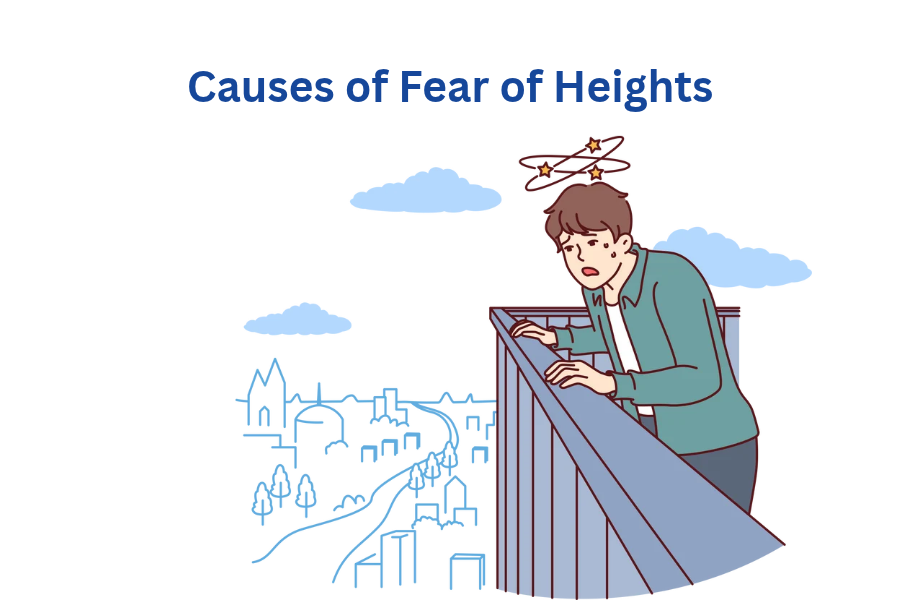
Causes of Fear of Height: Why Does It Happen?
Understanding the causes of fear of height is the first step toward recovery. Researchers believe there is no single reason why acrophobia develops. Instead, it often results from a combination of biological, psychological, and environmental factors.
1. Traumatic Experiences
One of the most common causes of fear of heights is experiencing or witnessing a frightening event involving heights. A fall from a tree during childhood, slipping on stairs, or watching someone else get injured can leave a lasting emotional impact. The brain stores these memories and begins associating heights with danger. Even years later, simply standing on a balcony may trigger the same fear response.
2. Evolutionary Survival Mechanism
Experts believe that humans naturally developed caution around heights as a survival strategy. Avoiding dangerous cliffs and steep edges increased the chances of survival throughout evolution. For some individuals, however, this protective instinct becomes exaggerated, leading to persistent anxiety. This is one of the scientifically supported causes of fear of height, where a normal survival response becomes overly sensitive.
3. Genetics and Family History
Research suggests that anxiety disorders can run in families. If close relatives have phobias or anxiety disorders, there may be a greater likelihood of developing acrophobia. Although genes alone do not determine whether someone will develop this condition, they may increase vulnerability when combined with stressful experiences. This genetic influence is another important factor among the causes of fear of height.
4. Brain Processing and Balance
Our brains constantly process information from the eyes, ears, and body to maintain balance. Some people become overwhelmed when visual depth increases at higher elevations. The mismatch between visual information and balance signals can create dizziness and discomfort, reinforcing anxiety. Researchers consider this sensory processing difference one of the causes of fear of height in certain individuals.
5. Learned Behaviour
Children often learn emotional responses by observing parents or caregivers. If a child repeatedly sees adults expressing extreme fear around heights, they may begin believing that all elevated places are dangerous. Over time, these beliefs become deeply rooted and contribute to the development of acrophobia. This observational learning represents another of the causes of fear of height.
6. Anxiety Disorders
People living with generalized anxiety disorder, panic disorder, or other phobias may have a greater chance of developing acrophobia. Since their nervous system is already more sensitive to perceived threats, heights can easily become another trigger for anxiety. Mental health professionals frequently identify anxiety disorders among the causes of fear of height.
7. Negative Thinking Patterns
Our thoughts significantly influence our emotions. Individuals with acrophobia often imagine worst-case scenarios, such as falling despite being protected by sturdy railings or secure platforms. These catastrophic thoughts strengthen anxiety and encourage avoidance behaviours. Such cognitive patterns are among the most treatable causes of fear of height, especially with psychological interventions.
How Does Acrophobia Affect Daily Life?
The impact of acrophobia extends far beyond simply avoiding tall buildings. People may decline job opportunities located in high-rise offices, avoid travelling by airplane, refuse invitations to scenic viewpoints, or miss family vacations involving mountains or adventure activities.
The fear of height can gradually reduce independence and confidence. Individuals may feel embarrassed about their reactions and avoid discussing them with others, fearing they will not be understood.
Over time, avoidance provides temporary relief but often strengthens the phobia. Each avoided experience reinforces the belief that heights are dangerous, making future situations feel even more intimidating.
Can Fear of Heights Be Cured?
One of the most encouraging facts about acrophobia is that it is highly treatable. Although recovery looks different for everyone, many individuals experience remarkable improvement through professional support and consistent practice. Rather than expecting fear to disappear overnight, treatment focuses on reducing anxiety, improving coping skills, and helping people participate confidently in activities they previously avoided.
Early intervention often leads to better outcomes, but people can benefit from treatment regardless of how long they have experienced the condition.
How Is Acrophobia Diagnosed?
There is no blood test or brain scan that diagnoses acrophobia. Instead, a mental health professional evaluates the person's symptoms, medical history, and how the fear affects daily functioning.
The assessment may include questions such as:
- How long have you experienced anxiety related to heights?
- Which situations trigger your fear?
- Do you avoid places because of your anxiety?
- How much does this interfere with your work, studies, or relationships?
A diagnosis is usually made when the fear is persistent, excessive, and significantly disrupts everyday life.
Fear of Height Treatment: What Really Works?
The good news is that effective fear of height treatment options are available. Treatment plans are tailored to an individual's symptoms, severity of anxiety, and personal goals.
1. Cognitive Behavioural Therapy (CBT)
CBT is considered one of the most effective approaches for phobias. It helps individuals identify irrational beliefs, challenge catastrophic thinking, and replace unhelpful thoughts with balanced perspectives. For example, instead of thinking, "I will definitely fall," a therapist may help the person evaluate evidence and develop a more realistic thought, such as, "This balcony has secure railings, and I am safe." Many people notice significant improvement after several sessions of CBT, making it one of the most recommended forms of fear of height treatment.
2. Exposure Therapy
Exposure therapy involves gradually and safely facing feared situations under professional guidance. The process often begins with imagining heights, viewing photographs, or watching videos before progressing to standing on low platforms, climbing stairs, or visiting taller buildings. The purpose is not to force someone into frightening situations but to help the brain learn that these environments are safe. Repeated exposure reduces anxiety over time and builds confidence. Exposure therapy is widely recognised as an essential component of fear of height treatment.
3. Relaxation and Mindfulness Techniques
Anxiety affects both the mind and body. Relaxation strategies help calm the nervous system before and during challenging situations.
Helpful techniques include:
- Deep diaphragmatic breathing
- Progressive muscle relaxation
- Guided imagery
- Mindfulness meditation
- Grounding exercises
Practising these skills regularly can reduce physical symptoms such as dizziness, rapid heartbeat, and muscle tension.
4. Medication
Medication is not always necessary, but in some cases a psychiatrist may prescribe anti-anxiety medication or antidepressants if symptoms are severe or occur alongside other anxiety disorders. Medication is generally most effective when combined with psychotherapy rather than used as the only intervention.
Self-Help Tips to Manage Acrophobia
Professional therapy is valuable, but daily habits also play an important role in recovery.
Challenge Avoidance
Avoiding heights may feel comforting in the short term, but it often strengthens the fear. Gradually practising manageable situations helps retrain the brain and build resilience.
Learn About Your Anxiety
Understanding how anxiety works can reduce uncertainty. Knowing that physical sensations such as a racing heart or dizziness are part of the body's stress response can make them feel less frightening.
Read our article on Acrophobia vs Vertigo - Understand the difference between these two.
Practise Relaxation Daily
Relaxation should not only be used during anxious moments. Regular practice makes it easier to remain calm when facing challenging situations.
Build Confidence Step by Step
Recovery is rarely about making dramatic changes overnight. Celebrate small achievements, such as standing on a higher floor for a few minutes or looking out of a window without immediately walking away. Every small success helps strengthen confidence.
Maintain a Healthy Lifestyle
Regular physical activity, adequate sleep, balanced nutrition, and limiting excessive caffeine intake can improve overall emotional well-being and reduce anxiety levels.
When Should You Seek Professional Help?
It is advisable to consult a mental health professional if:
- You consistently avoid places involving heights.
- Anxiety interferes with work, education, or travel.
- You experience panic attacks when exposed to heights.
- Your fear is affecting relationships or everyday responsibilities.
- Self-help strategies have not reduced your anxiety.
Seeking help early can prevent the phobia from becoming more deeply rooted and improve long-term outcomes.
Final Thoughts
Living with the fear of height can be frustrating, especially when it prevents you from enjoying travel, pursuing career opportunities, or participating in activities with loved ones. However, it is important to remember that this condition is treatable, and recovery is possible.
Understanding the fear of height begins with recognising that it is more than simple nervousness—it is an anxiety response that can be managed with the right support. Whether the anxiety stems from past experiences, genetics, learned behaviours, or other causes of fear of height, identifying the underlying factors is the first step toward healing.
Modern fear of height treatment approaches, including Cognitive Behavioural Therapy, exposure therapy, relaxation techniques, and professional guidance, have helped countless individuals regain confidence. While everyone's journey is unique, many people experience significant improvement and, in some cases, what feels like a lasting cure for acrophobia.
If your anxiety is limiting your daily life, remember that seeking help is a sign of strength—not weakness. With patience, consistent practice, and evidence-based care, overcoming acrophobia is an achievable goal. Taking that first step today could open the door to experiences that once seemed impossible.
Understanding Substance Abuse: Types, Causes And Warning Signs
Acrophobia - Fear of Heights: Signs and How to Treat It