


CBT for Fear of Heights: Treatment and Self-Help Tips for Acrophobia
Summary -
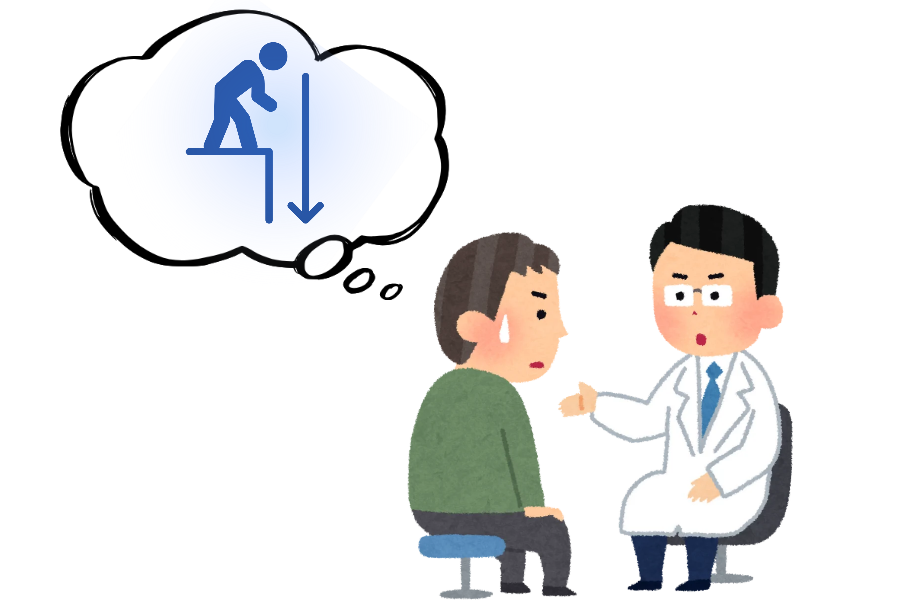
CBT for fear of heights is a structured approach that helps people with acrophobia understand and manage the thoughts, emotions, and behaviours associated with heights. Treatment may include identifying unhelpful thought patterns, developing healthier coping strategies, and gradually building confidence in situations involving heights. Self-help techniques such as relaxation exercises, mindful breathing, and challenging fearful thoughts may also support the management of acrophobia symptoms.
Introduction -
Do you freeze close to the edge of a balcony? Do your hands sweat when you're in a tall building? You can be afraid of heights, or have acrophobia. Many people's daily lives are impacted by this worry. The good news? Treatment for acrophobia might restore your sense of peace.
This blog by Mpower, India's leading mental health care and support provider, discusses self-help strategies for height anxiety and cognitive behavioral therapy for acrophobia. You'll discover how cognitive behavioral treatment for height anxiety operates. We also provide easy actions that you may do at home.
What Is Acrophobia?
An extreme fear of heights is known as acrophobia. It is more cautious than usual around edges. Panic, dizziness, or nausea are symptoms of this fear. These emotions can be triggered by even short ladders or balconies. Contrary to popular belief, this dread is more widespread. People of all ages and ethnicities are impacted. While some experience slight discomfort, others experience complete panic. In any case, treatment and support might be beneficial.
Over time, acrophobia therapy can reduce these symptoms. It educates your body and brain how to react differently to heights. Calm can take the place of fear in close proximity to tall objects with experience.
Acrophobia belongs to a broader category of anxiety disorders. It has characteristics in common with other specific phobias, such as a fear of flying. They both have rapid heartbeats and a great desire to get away. However, every phobia has unique patterns and triggers.
What Causes Fear of Heights?
A fall or other frightening experience might trigger a fear of heights. Some people get it for no apparent reason. Brain chemistry and genetics might also be involved. Determining the cause aids in choosing the best course of action. This fear may also be exacerbated by stress and other anxiety problems. Symptoms may get worse at a stressful time at work or at home. Additionally, height-related past trauma frequently contributes.
A child may develop this anxiety simply by witnessing someone else fall. For years, the brain associates heights with danger. The intensity of this fear is influenced by age, health, and past experiences.
What Are the Symptoms of Acrophobia?
Common signs of this fear include:
- A rapid heartbeat near heights
- Sweating or shaking hands
- Dizziness or loss of balance
- Panic attacks on stairs or bridges
- Avoidance of tall buildings or flights
- Trouble looking down from windows
These symptoms disrupt everyday tasks like travel or work. A good acrophobia treatment plan addresses both mind and body together. Left untreated, this fear can limit your choices and freedom.
Some people avoid glass elevators, ferris wheels, or scenic hikes. Others turn down job offers in tall office buildings. Over time, this avoidance can shrink a person's world.
What Is CBT for Acrophobia?
CBT is a tried-and-true, scientifically supported treatment for acrophobia. It assists you in altering harmful ways of thinking about heights. Therapists help you gradually confront your fear. This approach gradually increases confidence. Real, long-lasting transformation is the main goal of this strategy. It blends practical exercises with conversation therapy. Many people experience improvements in a matter of weeks. Simple homework assignments are frequently included in sessions.
This approach addresses the underlying cause of the fear, in contrast to band-aid solutions. You acquire lifelong skills. Because of this, the transformation extends well beyond the therapeutic setting. Your fear may also be monitored by a therapist using a basic scale. This makes it easier for you both to track your development throughout the next weeks. Small wins at the start build trust in the process.
How Does Cognitive Behavioural Therapy for Fear of Height Work?
Anxiety education is the first step in this process. This helps you understand how your brain responds to heights. You then notice pessimistic ideas like "I will fall." Then you compare these ideas to actual facts.
Additionally, a therapist might inquire about your first frightening experience with heights. This aids in charting the source of the dread. The plan then revolves around your personal narrative.
Gradual exposure activities are then introduced by the therapist. You could begin by looking at pictures of tall buildings. You may later stand with assistance on a balcony. Over time, this mechanism makes acrophobia therapy effective.
Every step proceeds at a speed that is comfortable for you. Nobody forces you to step outside of your comfort zone too quickly. When necessary, your therapist will review and modify the plan. Some designs spell out each step using a fear ladder. Scary scenarios are ranked from mild to severe. One rung at a time, you then ascend the ladder.
What Are the Steps in Acrophobia Therapy?
Most programs follow these steps:
- Assessment of your fear level
- Education about anxiety and the brain
- Cognitive restructuring of fearful thoughts
- Gradual exposure to heights
- Breathing and relaxation practice
- Progress review and support
Each step in acrophobia therapy builds on the last one. This structure makes CBT for acrophobia easy to follow. Most people finish treatment within eight to twelve sessions.
A therapist may also teach coping skills for sudden panic. These skills help you handle unplanned height exposure too. Practice between sessions makes each new step feel easier.
Loved ones can help speed up this process too. A partner or friend can join certain exposure exercises for extra comfort. Small, steady wins keep motivation high through the program.
Does Acrophobia Treatment Work Well?
According to studies, most people who receive therapy for acrophobia have long-lasting benefits. Research teams strongly support CBT for acrophobia. These days, virtual reality tools also improve acrophobia therapy. These devices produce height exposure that is safe, regulated, and risk-free.
After just a few sessions, many patients report feeling less afraid. It's okay if others require longer time. The aim of excellent treatment is progress rather than perfection.
What Self-Help Tips Can You Try at Home?
Self-help works well alongside professional support. Try these simple tips between therapy sessions:
- Practice deep breathing when anxiety rises
- Use grounding techniques to stay present
- Test fearful thoughts against the facts
- Start with small height exposure, like a step stool
- Track your progress in a journal
- Skip alcohol or caffeine before height exposure
- Reward yourself after each small win
These habits support the skills you build in therapy sessions. Small, steady practice adds up over time. Over weeks, these tips can shift how your body reacts to heights.
How Long Does Treatment for Acrophobia Take?
The length of acrophobia treatment is determined by the intensity of the fear. A few sessions might be sufficient for mild situations. Ongoing acrophobia therapy support is frequently required for severe instances. Everybody recovers at a different rate. Within the first month, some people start to detect changes. For others, it takes several months to feel comfortable at heights. More important than speed is adherence to the plan.
Timing might also be impacted by life changes, such as moving or getting a new job. Some people stop their treatment and pick it up later. Both routes can still result in long-term advancement.
Are you confused about whether you are experiencing acrophobia or vertigo? Read our article.
What Myths Exist About Fear of Heights?
This fear is perceived by many as a sign of weakness. That is just untrue. A common and treatable disease is a fear of heights. Some people think you should immediately confront your darkest fear. Instead, good treatment proceeds gradually. Nobody should be thrust into a frightening circumstance too soon.
A third misconception claims that as people age, this anxiety naturally goes away. It might gradually get easier for some. For most, genuine transformation requires practice and active assistance.
When Should You See a Therapist for Acrophobia?
If your fear prevents you from doing daily tasks, consult a specialist. You can have a personalized acrophobia treatment plan created by a therapist. For those who are afraid of heights, cognitive behavioral therapy provides significant, long-lasting relief. Avoid waiting for the fear to intensify.
Keep an eye out for indicators such as job limitations or missed travel. It's time to get in touch if heights dictate your decisions. You can find serenity and control with the help of a qualified therapist. Seeking assistance does not require a serious case. Attention and care should be given to even minor, persistent concerns. A quicker route to relief is frequently the result of early support.
What Other Tools Support Recovery From Acrophobia?
Some people combine CBT with other tools for extra support. Options include:
- Mindfulness and meditation practice
- Support groups for shared learning
- Medication, in select cases, under a doctor's care
- Virtual reality exposure sessions
These extra tools work best alongside core therapy. Talk to your therapist about what fits your needs. A blended plan often brings the best, fastest results.
Peer support groups can remind you that you are not alone. Hearing other stories can ease shame around this fear. Community support often boosts motivation between sessions.
Is Acrophobia Treatment Right for You?
You don't have to let your fear of heights rule your life. You can overcome this fear with the help of acrophobia treatment. For those who are afraid of heights, cognitive behavioral therapy creates significant, long-lasting change. You can feel secure on any ledge if you have the proper support.
Speak with a licensed mental health therapist in your area right now. Over time, major change comes from little, consistent steps. Begin your path to serenity and liberation right now.
Conclusion -
Acrophobia is a common and treatable fear that can affect daily life when left unmanaged. CBT for fear of heights can help people understand and challenge fearful thoughts while gradually building confidence around heights. Self-help strategies such as breathing exercises, grounding, and tracking progress can further support treatment. With consistent practice and professional guidance when needed, people with acrophobia can learn to manage their fear and regain greater confidence in everyday situations.
Understanding Substance Abuse: Types, Causes And Warning Signs
Acrophobia - Fear of Heights: Signs and How to Treat It