


Acrophobia - Fear of Heights: Signs and How to Treat It
Summary -
Acrophobia is an intense fear of heights that can cause anxiety, dizziness, trembling, rapid heartbeat, and avoidance of high places. It can be managed with gradual exposure, Cognitive Behavioural Therapy (CBT), and professional support when the fear affects daily life.
What is this fear of heights?
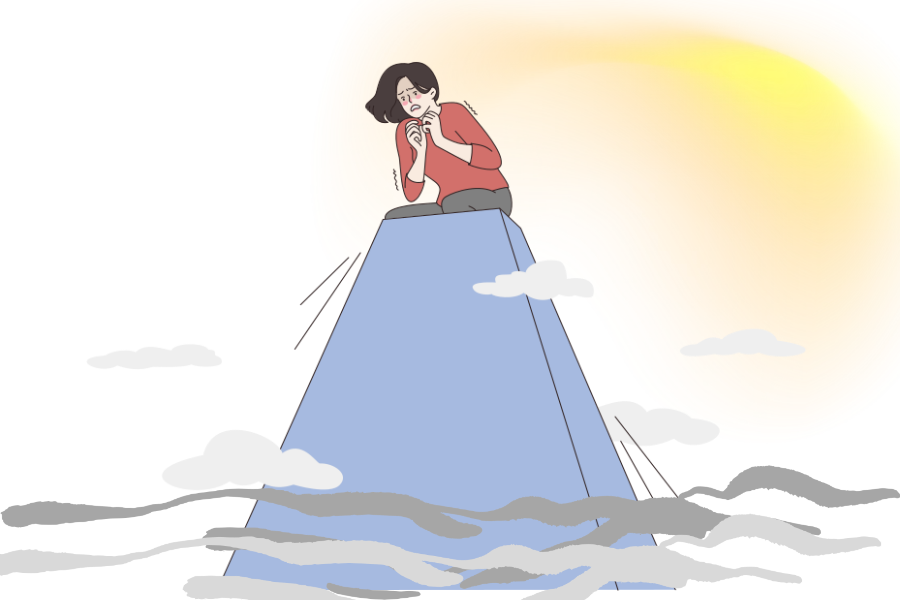
Fear of heights is an experience which could be very overwhelming for the individual at high altitudes. The fear of heights could be experienced while on a balcony, stairway, bridge, roof, lift, or in a very high building. Some people experience fear of heights at very short heights, while other people become uncomfortable just by seeing heights.
A fear of heights could have an impact on everyday life, where the individual becomes anxious about activities, places, and travel associated with being up high. Fear of heights could be accompanied by physical symptoms, fear, and the compelling need to seek safety.
What does Acrophobia mean?
Acrophobia is a particular type of phobia of heights. This is not just any ordinary fear of heights. Height fear could be overwhelming for the individual even though they could be perfectly safe. When suffering from Acrophobia, fear of heights, the mind perceives the situation to be dangerous and causes a stress reaction in the individual.
What could lead to fear of heights (Acrophobia)?
Several things can lead to the development of the fear of heights. One of the reasons might be experiencing a dangerous fall in the past or an incident that occurred at a great height.
It could also be the result of witnessing someone else showing a fear reaction to heights. Previous stressful events, excessive anxiety, and a feeling of losing control may be contributing factors as well.
Factors that contribute to the condition include:
- Previous falls or accidents
- Scare experience at height
- Fear learned through relatives or other people
- Anxiety about losing balance
- Fear of falling or injury
- Unwillingness to trust stairs, elevators, and balconies
Need to avoid potentially unsafe situations
What are the symptoms of fear of heights (acrophobia)?
Symptoms may be different from individual to individual. While some people experience mild anxiety, others show a severe response to the stimulus.
Some of the most common symptoms include:
- Fear of falling
- Shaking or trembling
- Rapid heart rate
- Sweating
- Dizziness or light-headedness
- Tense muscles
- Nausea
- Short breath
- Feeling trapped
- Severe need to escape
- Avoidance of balconies, stairs, bridges, and tall buildings
- Lack of concentration on the activity at hand
- Constant thoughts of falling
- Anxiety about losing balance
- Persistent checking of the ground below
- Holding onto railings and walls very tightly
- Refusal of heights
- Requiring people around for safety
- Panic attacks when looking down
Which are the fear of height symptoms one needs to look out for?
Fear of height symptoms affect the physical body, thoughts, and actions. A person might have an accelerated heart rate or shaky hands. Expectation of a fall might also be experienced, even when the environment is safe.Other fear of height symptoms include:
Fear of height symptoms may get worse when avoidance is used in the feared environment. Though avoidance may lead to temporary relief from the situation, in the long run, the brain learns that heights are dangerous.
What is the phobia of height and when does the phobia happen?
Phobia of height could go beyond the temporary fear of height. One might experience this anxiety when going to work, travelling, planning events, or even carrying out routine activities. A person may avoid heights when there is minimal threat involved.
When does one require help for this fear?
One needs help when there is a fear which:
- Causes intense distress
- Is accompanied by avoidance behaviour
- Interferes with work/study
- Is difficult to travel
- Limits social activities
- Hinders everyday activities
There are professionals who can diagnose the fear and how it interferes with daily routine. They also find out if there is some other anxiety disorder present.
How is acrophobia diagnosed?
Mental health professionals ask patients about their fear and triggers of the fear, symptoms and avoidance behaviours, when the fear occurred, and what effect it has on life. There are questions concerning the relation between the reaction and height, and whether the reaction is causing severe distress. Other factors that can contribute to dizziness and panic attacks are also considered.
The assessment will help in treatment and in understanding the reasons for having the fear.
What can one do to cope with the fear of heights at home?
People with mild or moderate fear can benefit from self-help methods. Do not push yourself up high. Work your way up slowly.
Step 1: Identify the trigger of fear
Note when this fear occurs. Write down where the fear occurs, the height, the thoughts, physical reactions, and behaviours associated with this fear.
For instance:
- Trigger: Stood on a high staircase.
- Thought: "I may fall."
- Physical reaction: Shaking legs.
- Behaviour: Moving away.
Understand the difference between fear of height and vertigo - read our blog.
Step 2: Create a fear ladder
Write down different scenarios involving heights, starting with less scary and up to very scary situations. Rate each scenario using a fear scale of 0-10.
At first, it could be viewing photos of tall buildings, then standing close to a low balcony with barriers.
Step 3: Do gradual exposure
Gradual exposure helps teach the brain that a feared situation is manageable. Begin with low fear and repeat exposure before progressing to a higher one.
Don't try the hardest task right away. Keep yourself in a safe environment and stick to the plan created together with a therapist.
4. Confront frightening predictions
Sometimes fear can lead to predictions that sound inevitable. It is important to try to confront these thoughts with facts.
Think of the following questions:
What is the actual risk?
What kind of protection do I have?
What evidence do I have for my fear?
What evidence do I lack?
How would I explain it to a friend?
This can help confront exaggerated predictions with a more realistic view.
5. Keep your body relaxed
Fear can affect your body by tensing your muscles. Try to keep your shoulders relaxed and your feet firmly placed on the surface. Concentrate on what you need to do at the moment.
Try not to flee unless there is a serious safety issue. A more composed attitude can help you realize that fear can increase and decrease.
6. Overcome avoidance gradually
Avoidance can lead to the development of the phobia of heights. Choose one activity that you have been avoiding for a while. Start working on it gradually. For instance, start with walking a few stairs. In the future, you may choose a higher flight of stairs with someone you trust.
What must you avoid when dealing with acrophobia?
Avoiding being placed in a risky height just to get over the fear is important. The exposure should be done in a controlled environment that matches one's capability and, in certain cases, can include a psychologist.
Avoid using any substance like alcohol to feel relaxed. The use of such substances will interfere with your balance, judgement, and general wellbeing. Also, if the dizziness experienced is new and severe, it is advised to see a doctor before concluding that it is caused by a phobia.
Can therapy assist with acrophobia (fear of heights)?
Yes, it can. Therapy will assist individuals in getting to understand what is making them scared and then work on changing those thoughts and behaviours. Cognitive Behavioural Therapy is one of the ways used to address specific phobias.
The exposure procedure might be included in your therapy. The procedure involves systematic procedures of gradually approaching the situation that scares an individual while maintaining the environment safe.
How to help a phobic of heights?
Help is possible. Don't ridicule or push the individual into a height.
Some ways are:
- Listening without criticizing
- Finding out their requirements
- Respecting their boundaries
- Encouraging them gradually
- Not exposing them suddenly
- Praising them for trying, not for being fast
- Offering professional help when fear interferes with living
When to seek professional assistance?
You would require professional assistance if fear stops you from going to work, traveling, studying, making social arrangements, and performing daily activities. Professional help will also be of benefit if the situation gets out of hand.
Professional help, like Mpower, one of the top mental health care providers in India, is advised when the fear leads to a lot of anxiety or doesn't get better with self-help.
Can Acrophobia be cured?
Yes. With proper assistance, many people can cope with this condition. Treatment usually involves altering negative thinking patterns as well as gradual and safe exposure to what a person is afraid of. The aim here is not to make a person enjoy being at height. It is to teach them how to act calmly in case of being at height. A proper approach will help the patient gain confidence and be able to participate in various activities.
Read our article about the treatment for acrophobia and how CBT and self-help tips can help in treating acrophobia.
Final words
Fear of heights can influence not only one's comfort but also decisions and plans, and cause intense physical responses. Knowing about the symptoms can be an effective starting point. The fear of heights is not necessarily supposed to rule over a person's life. Self-help will help to make changes, while therapy may be an effective option when fear is too severe.
If your fear of heights impacts your daily life, you should consult a specialist on the matter. Proper treatment can make it easier to cope with fear.
Understanding Substance Abuse: Types, Causes And Warning Signs
Acrophobia - Fear of Heights: Signs and How to Treat It