


Acrophobia vs Vertigo: How to Identify The Difference And What Can Help
Summary -
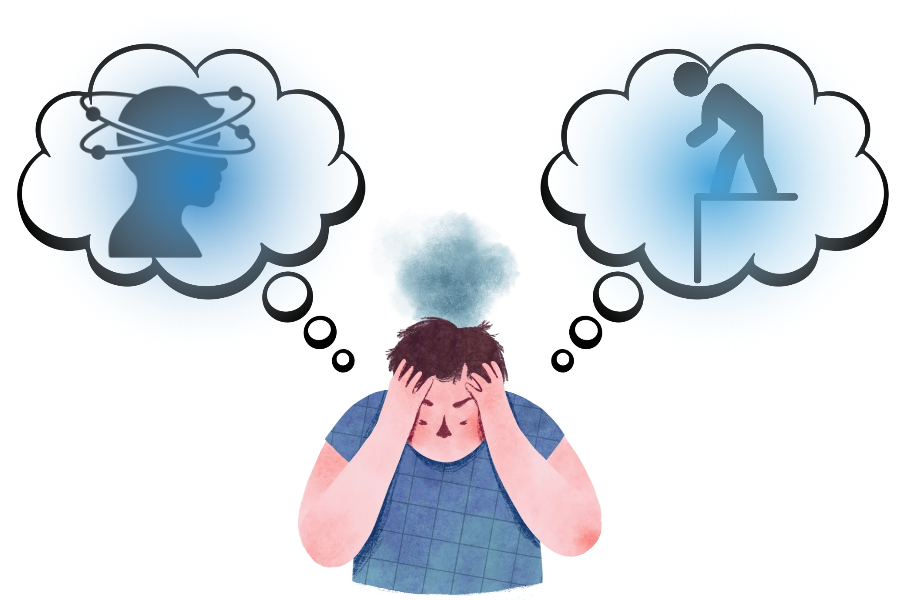
Fear of height vs vertigo is a common point of confusion because both can cause dizziness, sweating, and a strong urge to hold on. Fear of height is an anxiety response triggered by heights and thoughts of falling. Vertigo is a false sensation of spinning or movement that can happen anywhere, even at home. Fear of height treatment usually involves CBT and gradual exposure, while vertigo treatment depends on the underlying medical cause.
Introduction -
Have you ever stood on a balcony, looked down, and suddenly felt your heart race? Maybe your palms became sweaty, your body felt tense, and you immediately wanted to move away from the edge. Now imagine a completely different situation: you are sitting at home, nowhere near a height, and suddenly it feels as though the entire room is spinning. You may hold onto the chair or wall because you feel like you might lose your balance. Both experiences can be frightening, and because some of the sensations can feel similar, people often confuse fear of height with vertigo. However, they are not necessarily the same experience, and understanding the difference can help you know what kind of support you may need.
This blog by Mpower, India's leading mental health care and support provider, explains how these two differ. You will learn the key symptoms, how to tell the patterns apart, and which treatment can help. We also share simple self-care steps and signs that mean it is time to see a professional.
What Is Fear of Height - Acrophobia?
When we talk about fear of height, we are usually referring to an intense fear or anxiety that is triggered by being at a significant height or even thinking about being at one. It could happen while standing on a balcony, looking down from a tall building, crossing a high bridge, travelling in a cable car, or sometimes even watching a video filmed from a great height. The mind may immediately begin imagining something going wrong: "What if I fall?", "What if I lose my balance?", or "What if I suddenly lose control?" Even when you know logically that you are safe, your body can respond as though there is an immediate threat. This is why fear of height symptoms can feel very physical. You may notice your heart beating faster, sweating, trembling, muscle tension, breathlessness, dizziness, or a strong urge to get away from the situation.
For some people, the experience goes beyond simply feeling uncomfortable at a height. They may begin avoiding balconies, terraces, high floors, bridges, amusement rides, flights, or certain travel destinations because they are worried about experiencing the fear again. Over time, this avoidance can become a bigger problem than the fear itself. You may start planning your day around avoiding situations that involve heights, even when those situations are perfectly safe. This is often an important point to notice because fear of height symptoms can become stronger when a person repeatedly avoids the situations they fear. The brain can begin learning, "I was safe because I escaped," rather than learning, "I was anxious, but I was able to handle it."
Fear of height is an intense fear or anxiety triggered by being at a height, or even thinking about it. It can happen on a balcony, a high bridge, a tall building, or a cable car. Some people react to videos filmed from great heights too. In its extreme form, it is known as acrophobia.
What Are The Common Fear of Height Symptoms?
Fear of height symptoms usually appear near a height, or when you imagine one. They include:
Fast heartbeat
Sweating and trembling
Muscle tension
Breathlessness
Dizziness
A strong urge to move away from the edge
Some people begin avoiding balconies, terraces, high floors, bridges, amusement rides, flights or travel destinations. This avoidance feels like relief at first. Over time, it can make the fear stronger. The brain learns "I was safe because I escaped" instead of "I felt anxious, but I coped."
What Is Vertigo?
Unlike fear that is specifically connected to being at a height, vertigo is usually described as a sensation that you, your surroundings, or both are moving when there is actually no movement. You might feel as though the room is spinning, the floor is tilting, or your body is being pulled in one direction. What makes the experience particularly unsettling is that it does not necessarily require a frightening situation. A person may experience it while sitting on the sofa, getting out of bed, turning their head, or simply walking around the house. Some common vertigo symptoms include a spinning sensation, imbalance, nausea, sweating, difficulty walking, and feeling as though the surroundings are moving. Certain head movements may also make the sensation more noticeable.
What Are the Common Vertigo Symptoms?
Common vertigo symptoms include:
- A spinning or tilting sensation
- Loss of balance
- Nausea
- Sweating
- Difficulty walking
- Feeling that your surroundings are moving
Certain head movements can make the vertigo symptoms more noticeable.
Fear of Height vs Vertigo: How Can You Identify the Difference?
A helpful starting point is to ask yourself what happens first. Look at the trigger and the type of sensation:
Fear of height: You look down from a height, notice thoughts about falling, feel afraid, and then your heart races. The fear is linked to the height itself.
Vertigo: You feel spinning, tilting or imbalance first, often without any height or obvious fear trigger. It can happen while resting at home.
Real life is not always this simple. You can experience anxiety and dizziness together, and one can make the other worse. For example, you feel slightly unsteady on a high floor and think, "Something is wrong. I might fall." Your heart races, your breathing changes and your body tenses. These sensations make you feel even less stable, so the fear grows. This creates a cycle of sensation, fear, more physical symptoms and more fear.
If you are unsure, note when it happens, what you were doing just before, what you felt in your body, and what thoughts came up. Also note whether it eased after you moved away from a height. These details help a psychologist or doctor understand the pattern. Do not assume every dizzy spell is vertigo, or that every dizzy spell is only anxiety.
What Is the Treatment for Fear of Height?
When fear of height symptoms affect daily life, psychological support can help. Fear of height treatment does not mean being told to "be brave" or being pushed onto a rooftop. Good therapy is gradual and personalised.
A psychologist first tries to understand what the fear means to you. Are you afraid of falling, losing control or having a panic attack? Do you believe dizziness means you will fall? These thoughts show what keeps the fear going.
Cognitive Behavioural Therapy (CBT) is widely used for fear of height treatment. It helps you see the link between your thoughts, emotions, body sensations and behaviour. A thought like "If I look down, I will lose control" can be examined instead of accepted as fact.
Gradual exposure is another key part of treatment. You approach heights slowly, at a pace you can manage. This may include:
Talking about heights
Looking at pictures or watching videos
Standing at a lower height
Slowly moving to more challenging situations
Breathing, grounding and relaxation skills are also taught along the way. The goal is not to become fearless. It is to learn that you can feel anxious without letting anxiety decide what you can do.
What Is the Treatment for Vertigo?
Vertigo can have different causes. These include inner ear and balance problems, migraines, certain medical conditions and some medications. Some vertigo symptoms overlap with anxiety, but the cause may need a completely different approach.
This is why recurring dizziness needs a proper medical check-up. Depending on the cause, vertigo treatment may include:
- Specific physical manoeuvres
- Vestibular rehabilitation exercises
- Medication, when clinically appropriate
- Treatment of the underlying medical condition
Vertigo treatment should be based on the cause, not just the sensation. A healthcare professional can guide you, so avoid self-diagnosis.
Can Vertigo Cause Anxiety?
Yes, it can affect emotional wellbeing. Imagine feeling an unexpected spin several times, without knowing when it will return. You may become hyperaware of every small change in your body. Thoughts like "What if it happens outside?" or "What if I fall?" can appear. Over time, this can lead to anxiety and avoidance.
Here, therapy can work alongside medical care. Vertigo treatment addresses the physical cause where possible. Psychological support helps you manage the fear, uncertainty and lifestyle changes that follow repeated episodes.
How Can You Take Care of Yourself for Acrophobia and Vitiligo?
If you have a fear of height:
- Understand your pattern instead of judging yourself for being afraid
- Notice which situations and thoughts trigger the fear
- Avoid complete avoidance, as it can keep the fear alive in the long run
- Face the fear gradually, ideally with professional guidance
- Practise slow breathing and grounding when anxiety rises
When your mind says "What if I fall?", bring your attention back to the present. Notice what you can see and feel around you. These techniques will not remove fear instantly, but they help you respond instead of feeling overwhelmed.
If you have vertigo:
- Do not ignore it or assume it is only anxiety
- Get a medical assessment if the spinning or imbalance keeps returning
- Move slowly and sit down when you feel unsteady
- Avoid situations where a sudden loss of balance could be dangerous
- Track triggers such as certain movements, positions or tiredness, and share them with your doctor
If episodes make you anxious about going out, travelling or being alone, mention that too. Managing both the physical symptoms and the fear around them supports recovery.
When Should You Seek Help?
Consider seeing a psychologist or therapist if your fear of height stops you from travelling, working comfortably, using certain spaces or enjoying activities. If your symptoms appear mainly around heights with intense fear and avoidance, a psychologist can explore whether anxiety is involved.
See a doctor if spinning sensations are recurring, affect your routine, or make you afraid to move around normally. Seek medical attention promptly if dizziness comes with:
- Fainting
- Severe headache
- Weakness
- Difficulty speaking
- Chest pain
- Significant hearing changes
- Repeated falls
Conclusion -
Fear of height and vertigo can both feel real and distressing, but they often need different kinds of support. Fear of height is linked to heights, anxious thoughts and avoidance, and responds well to CBT and gradual exposure. Vertigo is a sensation of spinning or imbalance that needs medical assessment to find the cause. Neither means you are weak, and neither is "all in your head." Understanding your pattern is the first step. If you need guidance, speak with a licensed mental health therapist today.
Understanding Substance Abuse: Types, Causes And Warning Signs
Acrophobia - Fear of Heights: Signs and How to Treat It