


What Is 'Empty Tank Anxiety'? How LPG Shortage Drains Mental Energy
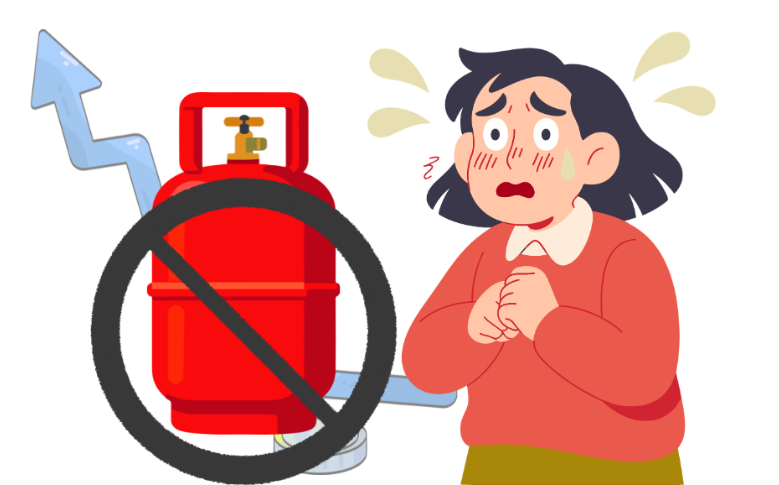
Most households are quietly powered by gas cylinders in our everyday life, from boiling the morning tea to cooking dinner after a long day, and countless small routines that bring us comfort and stability. That said, when that LPG cylinder suddenly becomes an uncertain substance from deliveries being delayed, prices spiking, and wildfire rumours of shortage, something deeper than inconvenience happens. Not only are our kitchens affected, but mainly our mental energy.
Among the many metro cities, the concerns about LPG supply have only grown, especially due to disruptions in global energy routes and panic buying in some regions. In India, a large share of what's consumed is exported from the Middle East, creating vulnerability during geopolitical tensions and shipping disruptions.
Even when domestic cooking gas was prioritized by the authorities, the ripple effects were felt in households and businesses in the form of delayed deliveries, long queues, and anxiety. (Reuters, 2026)
News may highlight disruptions in the supply chain and the economics of it, but the psychological costs are not spoken out loud. Here comes the role of the top mental health care provider in India.
Why Does Uncertainty Around LPG Supply Cause Stress?
Heman Beings rely on predictability. We make routines for making breakfast, packing lunch, and cooking dinner, which gives us a sense of stability and control. Disruption in such schedules costs us our emotional equilibrium. This is often called micro stress accumulation by psychologists. Usually perceived as minor, these small disruptions that individuals face, like waiting for a refill, planning meals around gas usage, and worrying about the next delivery, begin to stack up. With time, a lot of mental energy is drained over these micro stresses.
Additionally, mental calculations are going on in households now
- Should I cook something that takes less gas?
- What if the cylinder finishes before the new one arrives?
- Should I book another refill now or wait?
These questions constantly occupy mental bandwidth, leaving less room for focus, creativity, and relaxation.
What Are the Signs of 'Empty Tank Anxiety' in Daily Life?
We have seen many people struggle with 'Battery Anxiety' with their phones and 'Range Anxiety' over their electric cars; a similar phenomenon is occurring with household essentials like LPG.
Here are some common ways this anxiety appears.
1. Why Do People Constantly Monitor Gas Levels?
Heightened vigilance over checking cylinder levels much more frequently, or even becoming a daily concern rather than monthly like before, keeps people alert during uncertain times.
2. What Is Panic Planning During Shortages?
Planning ahead might be healthy; however, panic planning isn't, as it is fear-driven and not strategic. People are standing in long queues outside gas agencies to procure LPG while they have no immediate need.
3. How Does LPG Shortage Cause Cognitive Overload?
It may seem minor, but every small decision, like what to cook, for how long, switching to induction is another cognitive step taken. Over time, this creates decision fatigue as our brain becomes tired from constantly evaluating risk and alternatives for even routine tasks like preparing food.
4. How Do Rumors Increase Anxiety During LPG Crisis?
We all have relatives admitted to the WhatsApp school of rumours, where conversations like gas shortages quickly spread. These rumours, in fact, spread faster than facts. Hence, several cities show panic buying irrespective of the supply remaining stable. Creating a feedback loop where Rumor leads to Panic, which leads to more demand, which in turn creates even more rumors, leading to an increase in mental toll.
5. Why Do Basic Needs Uncertainty Trigger Stress?
The foundation of human security is access to food. As Maslow's hierarchy of needs, the base of psychological stability is formed by food and safety. Even if the access to fuel temporarily becomes uncertain or lost, it can trigger deeper concerns about security and survival, and people can have stronger emotional responses than to larger issues. The brain tends to interpret such uncertainty as a threat to stability.
Who Is Most Affected by LPG Shortage Anxiety?
The shortage has more of a community impact than an individual impact, as the ripple can be felt across households.
1. How Are Parents and Caregivers Impacted?
As a caregiver, they are not only responsible for themselves but also for the care recipient and therefore they feel the greatest pressure and responsibility for meals. In such scenarios, delayed deliveries and rationing can put them into worse guilt and create more stress about providing for the family.
2. Why Do Students and Working Professionals Feel Helpless?
People occupied with college or work have time and resource constraints, making them dependent on nearby eateries, and they feel anxiety as well as helplessness when restaurants reduce menus or shut temporarily due to gas shortage.
3. How Are Small Business Owners Affected by LPG Shortage?
The street food vendors and small restaurants heavily rely on LPG and don't have much storage, and hence can only store a few days' worth of stock. (The Tribune, 2026) In their case, such uncertainty can cause a lot of financial stress and further mental strain.
Why Does the Brain React Strongly to Resource Shortage?
Something simple can also cause stress because of the following psychological mechanisms
1. Loss of Control
Everyone has a challenging life, but it's easier for humans to cope with these challenges when they are in their control, and as soon as the control is lost, the individual feels intensified anxiety.
2. Scarcity Mindset
Human survival mode gets triggered when scarcity of resources is known, and individuals obsess over limited resources with a narrow mindset of attention and reduced mental flexibility.
3. Uncertainty Bias
Bad news sometimes comes with uncertainty, which can become more stressful. It can look like waiting without clear communication. Eg: 'Will the cylinder arrive tomorrow or next week?' A clear example of psychological strain is knowing the exact situation.
The Hidden Energy Drain
Mental energy works like a battery. With every worry, decision, or uncertainty, small portions of that battery are consumed. And if these multiple stressors accumulate, like work pressure, family responsibilities, financial planning, and now fuel uncertainty, the mind goes into a state of fatigue. As a result, we can face irritability, reduced concentration, poor sleep, and emotional exhaustion.
How Can You Protect Your Mental Energy During Uncertainty?
LPG shortages not only affect physical energy but also drain our psychological energy. Protecting mental health is still in our control, even when global supply chains aren't.
1. Focus on What You Can Control
Some practical steps can be taken, like planning meals efficiently, using alternative appliances if available, and booking refills on time. These small actions restore a sense of control.
2. Limit Rumor Exposure
Social media becomes another source where news updates pop up without regularisation, which can amplify anxiety. In these times, rely on verified information rather than speculation. Even the government authorities try to reassure citizens against these rumours to reduce panic.
3. Simplify Routines
Staying consistent with simple daily routines reduces cognitive load during times of uncertainty. Some ways could be cooking simple meals temporarily, cooking in bulk batches whenever it is convenient, and sharing cooking responsibilities within the household. With less decision-making, mental energy is saved.
4. Stay Community-Oriented
Community plays a big role when it comes to times of crisis as it plays the best antidote. When families and neighbours come together and help each other with meals and updates, or when local groups coordinate resources, people can cope with anxiety by developing resilience in company.
What Does LPG Shortage Teach Us About Mental Health?
This moment shows us how infrastructure shapes mental well-being. We usually don't think much about such essential systems as energy, transport, supply chains, and take them for granted as they run smoothly. Only when they falter, even if briefly, do they reveal how deeply daily life depends on these invisible networks. More so, they show the connection between material stability and psychological stability.
Refilling More Than Cylinders
Ultimately, the conversation about LPG shortages is not only about energy security or geopolitics. It is also about mental resilience. During times of uncertainty, the goal is not just to refill the cylinder; it is also to refill our mental energy. That means we should stay informed but not overwhelmed, we should support one another in households and communities, and we should recognize that small anxieties are valid and worth addressing. Because sometimes, the heaviest burden isn't the empty tank in the kitchen. It's the invisible weight it places on the mind.
Frequently Asked Questions (FAQs)
1. What is 'Empty Tank Anxiety'?
'Empty Tank Anxiety' refers to the stress and mental discomfort caused by uncertainty around essential resources like LPG. It involves constant worry about running out of gas, delayed refills, and disrupted routines, which can gradually drain mental energy and increase daily stress levels.
2. Can LPG shortage really affect mental health?
Yes, LPG shortage can impact mental health by creating uncertainty and disrupting daily routines. When access to basic needs like cooking fuel becomes unpredictable, it increases stress, anxiety, and cognitive load, leading to irritability, reduced focus, and emotional fatigue over time.
3. Why do shortages increase stress and anxiety?
Shortages trigger stress because they create uncertainty and a perceived loss of control. The brain interprets limited resources as a potential threat, activating survival instincts. This leads to heightened alertness, overthinking, and anxiety, even if the shortage is temporary or manageable.
4. How does LPG shortage drain mental energy?
LPG shortage drains mental energy through constant decision-making and worry. Small but frequent concerns, like planning meals, checking gas levels, or tracking deliveries, accumulate over time, causing cognitive overload, decision fatigue, and reduced ability to focus on other important tasks.
5. What are the common signs of 'Empty Tank Anxiety'?
Common signs include frequently checking gas levels, panic booking refills, overthinking daily cooking decisions, and feeling stressed by news or rumors. People may also experience irritability, mental fatigue, and difficulty concentrating due to continuous low-level anxiety.
6. Who is most affected by LPG shortage anxiety?
Parents, caregivers, students, working professionals, and small business owners are most affected. Caregivers feel pressure to provide meals, while professionals and students face disruptions in routine. Small business owners may experience financial stress, increasing overall mental strain.
7. How can I manage anxiety during an LPG shortage?
You can manage anxiety by focusing on controllable actions like planning meals, booking refills early, and using alternatives if available. Limiting exposure to rumors, maintaining simple routines, and seeking support from family or community can also help reduce stress.
8. Why do rumors about LPG shortage increase panic?
Rumors amplify anxiety by spreading uncertainty and misinformation. When people receive unverified updates, it triggers fear-driven behavior like panic buying. This creates a cycle of increased demand and stress, even when the actual supply situation may be stable.
9. What is micro-stress accumulation?
Micro-stress accumulation refers to the buildup of small, everyday stressors over time. In the case of LPG shortages, repeated minor worries, like delayed deliveries or meal adjustments, gradually exhaust mental energy, leading to fatigue and reduced emotional resilience.
10. How can routines help reduce anxiety during shortages?
Simple and consistent routines reduce decision-making and mental load. Planning meals, cooking in batches, and sharing responsibilities create stability during uncertain times. This helps conserve mental energy and provides a sense of control, which is essential for managing anxiety.
References
- Free Press Journal. (2026). India LPG crisis explained: Impact of global conflict on supply.
- Reuters. (2026). India arranging crude and LNG supplies from alternative sources.
- India Today. (2026). LPG shortage impacts domestic and commercial sectors.
- The Times of India. (2026). Panic buying and LPG demand surge in Indian cities.
- The Economic Times. (2026). LPG shortage disrupts restaurant operations.
- The Tribune. (2026). LPG shortage concerns among food businesses.
image credit : freepik

Understanding Substance Abuse: Types, Causes And Warning Signs
Acrophobia - Fear of Heights: Signs and How to Treat It