


Depression vs Dementia: How to Tell the Difference in Older Adults
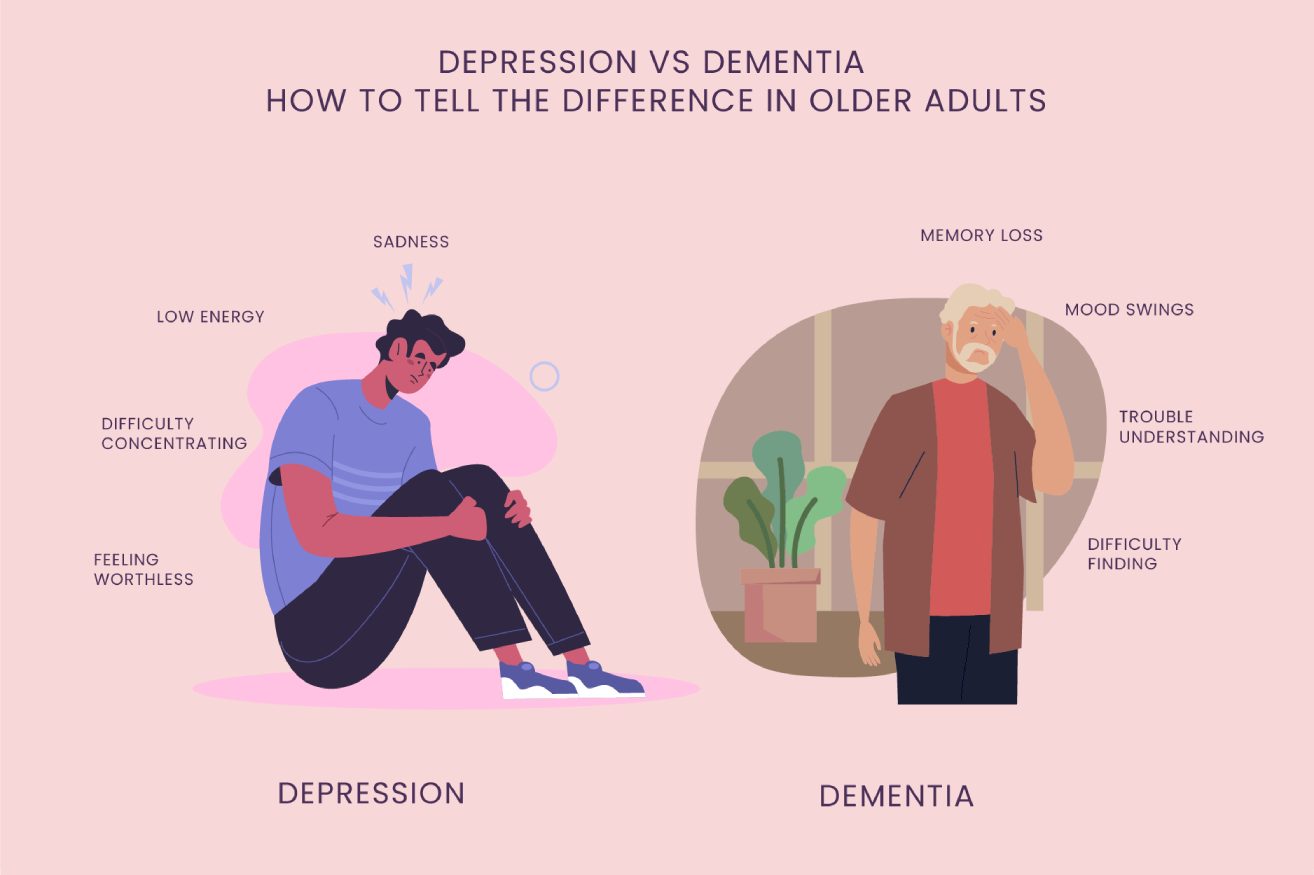
As individuals grow older, changes in mood, memory, and behavior often become more noticeable - but here's the tricky part: families are left wondering whether these shifts are simply part of aging or signs of something more serious. It can be depression or dementia. Depression and dementia commonly appear in older adults, yet they can look strikingly similar - and that's where confusion begins. So why does this matter? This overlap affects early identification, timely treatment, quality of life, and access to the right level of mental health care.
What is depression and dementia?
Depression is a mood disorder, while dementia is a progressive brain disease involving memory and cognition - but here's the catch: severe depression can mimic dementia-like symptoms, and early-stage dementia can produce emotional changes like apathy, withdrawal, irritability, or distraction that resemble depression.
Know more about depression as a serious mental health concern.
Here's what it means for families and caregivers: distinguishing between depression and dementia isn't just helpful - it's essential.Understanding Depression in Older Adults
Depression symptoms in older adults often manifest differently from depression in younger adults. Many older adults may avoid language describing sadness or depression, and instead approach the assessment with fatigue, lack of motivation or interest, disorganization, or inability to make decisions, worry, or focus on physical complaints (e.g., bodily aches, pain, or disrupted sleep).
Deterioration of memory with dementia is derived from neurological compromise; loss of memory with depression is frequently focused or motivated. Encouragement to retrieve the memory in an older adult with depression often leads to success, while memory gaps in dementia will continue to exist even with prompting.
Usually, depression originates insidiously and is often driven by loss, social isolation, health decline, or increased dependency, and it can often be compounded for many older adults with early or other cognitive impairment. Feelings of worthlessness or hopelessness are also helpful emotional markers in distinguishing depression from cognitive change or a cognitive-affecting condition (i.e., dementia).
Understanding Dementia
'Dementia' is a term used broadly for a number of disorders that lead to a progressive decline in memory, reasoning, and the ability to function in daily life. The most common form is Alzheimer's disease; however, there are also vascular dementia and Lewy body dementia as a few examples. Early warning signs include often forgetting things that happened moments before, not paying bills or managing finances, repeating the same question because they forgot they already asked it, or getting lost in familiar locations. Unlike depression, in which cognition may fluctuate, dementia is characterized by consistently progressive cognitive impairment. One important feature of dementia is that the person may not even be aware that something is wrong. They may arrive at a wrong answer with great confidence, with no thought that it may be incorrect.
Read now about the connection between financial stress and depression.
A person with dementia may also display changes in emotion, like increased apathy, confusion, or frustration, but this, too, is associated with clear memory failure, slowed problem-solving and decreased cognitive speed. This ambiguity presents challenges in distinguishing depression from dementia, especially when many symptoms suggest both. Families and staff who know the individual well will often notice a cognitive slowdown in interactions. A cognitively impaired older adult may become bogged down looking for words in familiar social and familial situations, while the person with Depression may simply not want to talk, partly due to low energy or interest.
Key Differences to Look Out For
Although both conditions can appear similar, certain signs help clarify the picture:
1. Memory Problems
- Depression: Memory lapses improve with encouragement. The person often says, 'I just can't concentrate'.
- Dementia: Memory loss is more severe and consistent. Prompts don't necessarily help.
2. Orientation
- Depression: Usually remains intact. They know where they are and what day it is.
- Dementia: Disorientation about time, place, or familiar environments is common.
3. Onset
- Depression: Often follows a stressful life event and comes with emotional expression.
- Dementia: Gradual decline without a clear emotional trigger.
4. Daily Functioning
- Depression: Tasks become difficult due to low energy or motivation.
- Dementia: Tasks become difficult because of cognitive breakdown, like forgetting steps or losing the sequence.
5. Self-awareness
- Depression: Individuals usually recognize that something feels wrong.
- Dementia: Many are unaware of memory loss or insist nothing is wrong.
6. Cure for the conditions:
- Depression: Depression is highly treatable with therapy, medication, and support, and many people recover fully with the right care.
- Dementia: While dementia currently has no cure, timely treatment, structured routines, cognitive exercises, and proper mental health care can significantly improve daily functioning and slow the progression.
Recognizing these patterns helps guide appropriate mental health care and support for the individual.
Why Early Identification Matters
Recognizing Depression from Dementia early on is important. A misdiagnosis delays necessary treatment for depression or planning for the treatment of dementia. For example, older adults with untreated depression can have a progressive decline in cognitive functioning, and families may see this as a more rapid decline in dementia. On the other hand, if families assume that the response "it's only depression" is the issue with the declining memory, their assumption could result in missing early symptoms of dementia. This is when planned lifestyle changes and care planning can help tremendously.
In addition, older adults may discount their symptoms out of fear of stigma or perception that patterns of feeling sad or having trouble remembering are 'normal in their age'. This reinforces the value of gentle conversations and access to mental health and support.
How Does Depression in Older Adults Be Treated?
The treatment of Depression in older adults may involve a combination of counselling, medication, pharmacological interventions, and lifestyle changes. Interventions such as Cognitive Behavioural Therapy (CBT) can be effective at reframing or rethinking negative thoughts around their mental health. Social activities, physical movement, and maintaining meaningful hobbies can help reduce feelings of loneliness in older adults. Antidepressants can be effective for individuals with depression; however, attention to the presence of additional medications requires further evaluation. The most effective form of treatment incorporates medical evaluation and monitoring, the sharing of their emotional experience, and a strong social support system.
How to Treat Dementia in Older Adults?
At this time, there is no cure. However, treatment can slow the progression of the disease and improve the level of functioning in daily life. Medications can help manage some of the symptoms, however. Occupational therapy, cognitive exercises, structured routines, and education for parents/caregivers can also play a key role.
How Do Families Support Older Adults?
Support for older adults who are living with Depression or dementia requires patience, understanding, and presence. Creating opportunities for gentle conversations, maintaining routines when possible, assisting without taking independence away, and being available inclusively with emotions are key. Families can also support consistent, routinized check-ups and evaluations in advance of signs or symptoms increasing.
Professional mental health care and support play a crucial role. Effective evaluation involves a medical evaluation, counselling, cognitive testing, and education for caregivers. This provides individuals with a clear and tailored care plan based on their condition.
Burnout is commonplace for caregivers because caregiving for aging adults impacted by depression or dementia potentially leads to stress and fatigue. Caregivers who receive early support and share caregiving responsibilities are less likely to burn out.
Conclusions
While depression or dementia can have overlapping presentations, appreciating their dissimilarities allows for timely and accurate care. Identifying emotional patterns in the older adult, variations in their cognition, and daily behaviours will move families into the right course of action. If care-giving teams can address issues of depression early through timely and sequenced treatments for depression, treat dementia if necessary, and access appropriate mental health care and support, they provide their loved one with a greater sense of overall well-being, quality of life, and dignity as they approach their senior years.
image credit : freepik

Understanding Substance Abuse: Types, Causes And Warning Signs
Acrophobia - Fear of Heights: Signs and How to Treat It