


Modern Approaches in Geriatric Psychiatry: From Medication to Mindfulness
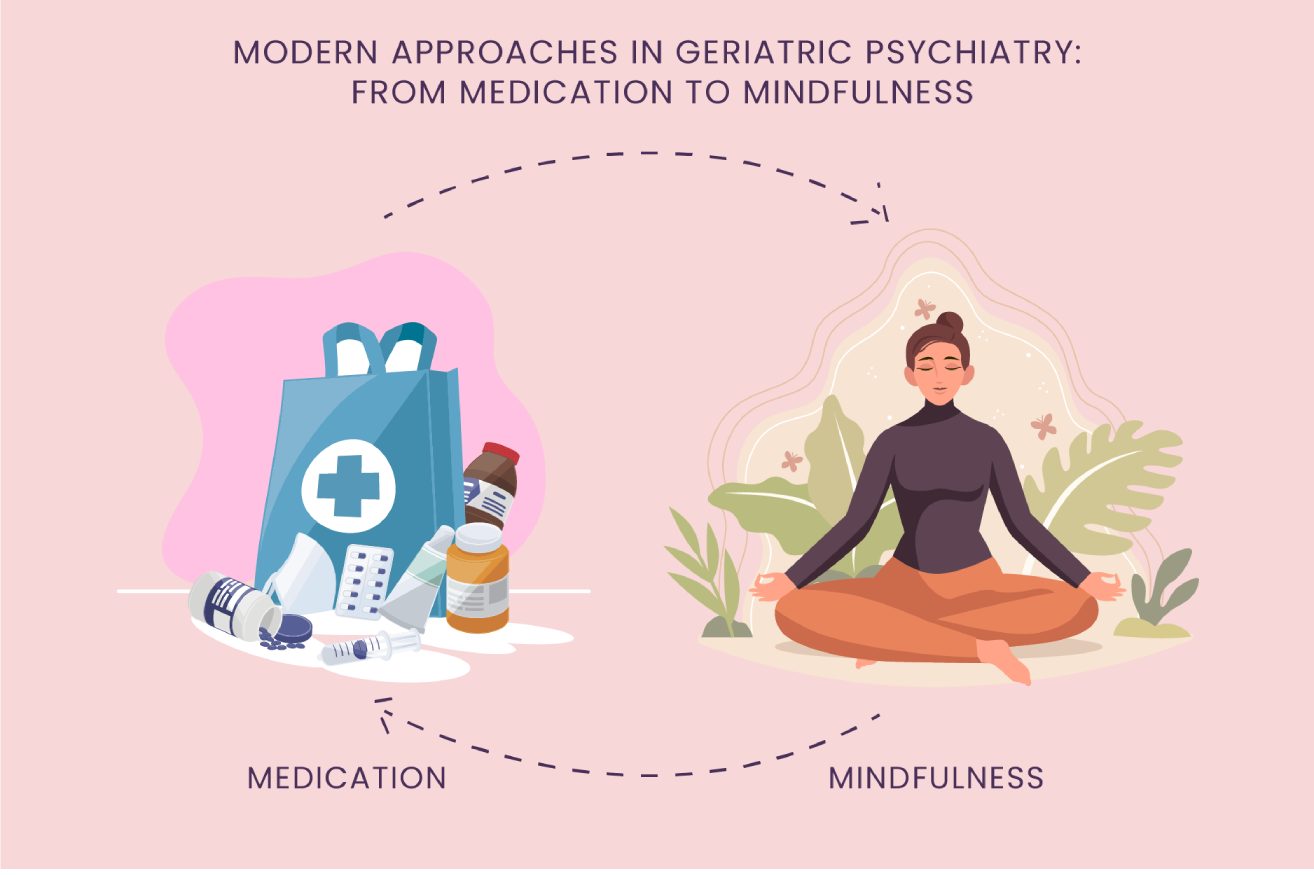
Aging is a universal experience - yet, how we navigate its mental and emotional dimensions is profoundly shaped by modern science and compassionate care. Geriatric psychiatry, a field once primarily focused on medication and institutional support, is now embracing a more holistic and humane approach. The contemporary understanding of mental health in older adults extends far beyond pills and prescriptions; it integrates emotional well-being, social connectedness, and even spiritual fulfillment.
In a world where life expectancy continues to rise, modern geriatric psychiatry is not just about adding years to life but about adding life to years. Let s explore how the field has evolved - from medication-centered models to mindfulness - based, person-centered care that values the dignity, purpose, and emotional depth of aging.
The Changing Landscape of Geriatric Psychiatry
In the past, mental health care for older adults was largely reactive. Depression, dementia, and anxiety were often seen as inevitable consequences of aging rather than treatable conditions. Many older individuals faced stigma or silence around their emotional struggles, leading to underdiagnosis and undertreatment.
However, today s geriatric psychiatry is moving toward early detection, preventive strategies, and interdisciplinary care. The recognition that older adults can thrive emotionally and psychologically - not just survive - has shifted the tone entirely.
Several forces have driven this evolution:
- Advances in neuroscience and pharmacology have refined our understanding of the aging brain.
- Longer lifespans have increased the need for sustainable, quality-of-life-centered approaches.
- Social change has emphasized independence, autonomy, and the right to mental well-being at every age.
- Mind-body research has validated the power of non-pharmacological interventions such as mindfulness, exercise, and social connection.
This modern paradigm doesn t reject medication it repositions it as one piece of a much larger puzzle.
Pharmacological Progress: Precision, Not Polypharmacy
Medication remains an important part of geriatric psychiatry, especially in managing depression, anxiety, bipolar disorder, and dementia-related symptoms. However, the goal has shifted from more medication to the right medication at the right time .
1. Personalized Treatment Plans
Gone are the days of one-size-fits-all prescriptions. Geriatric psychiatrists now rely on precision medicine, tailoring treatments based on genetic markers, metabolism, and comorbidities. This helps minimize side effects, which older adults are more prone to due to slower metabolism and potential drug interactions.
2. De-prescribing and Medication Review
Polypharmacy - the use of multiple drugs simultaneously - has long been a concern among older adults. Modern psychiatric practice actively reviews and de-prescribes unnecessary medications, reducing cognitive fog, fall risk, and adverse reactions.
3. Neuroprotective Research
Emerging studies in neuroprotection suggest that certain antidepressants and mood stabilizers may have brain-preserving properties, supporting cognitive function over time. The focus now extends beyond symptom relief to long-term brain health.
In essence, medication remains vital, but it s no longer the default or the only route. Instead, it s used thoughtfully - as a bridge toward broader healing.
Therapeutic Evolution: Beyond the Couch
Psychotherapy for older adults has historically been overlooked, under the mistaken assumption that you can t teach an old dog new tricks . But modern geriatric psychiatry has proven that neuroplasticity - the brain s ability to adapt - continues well into late adulthood. Emotional growth, insight, and healing are always possible.
1. Cognitive-Behavioral Therapy (CBT) for Seniors
CBT has been adapted for older adults to address depression, grief, and anxiety. The therapy often focuses on reframing negative beliefs about aging ( I m useless now becomes I still contribute meaningfully in new ways ). This empowers seniors to regain self-worth and optimism.
2. Reminiscence and Life Review Therapy
Reflecting on one s life story can be profoundly healing.Reminiscence therapy encourages older adults to revisit meaningful memories, reinforcing identity and self-continuity. It s not just nostalgia - it s therapy that connects past triumphs and challenges to present resilience.
3. Acceptance and Commitment Therapy (ACT)
ACT helps older adults accept changes they can t control (such as physical limitations) while committing to actions that align with their values. This approach promotes psychological flexibility and peace of mind - crucial for graceful aging.
4. Family and Caregiver Involvement
Modern practice recognizes that mental health for older adults exists within a web of relationships. Family-inclusive therapy strengthens support systems, improves communication, and alleviates caregiver stress.
The Mindfulness Revolution: Healing from Within
Perhaps the most transformative development in geriatric psychiatry is the embrace of mindfulness the practice of being fully present and accepting each moment with compassion. Once considered a fringe concept, mindfulness now has robust scientific backing for its role in improving mood, cognition, and overall well-being.
1. Mindfulness-Based Stress Reduction (MBSR)
Programs like MBSR have shown remarkable benefits for older adults experiencing chronic pain, insomnia, or anxiety. Through guided meditation and gentle yoga, participants learn to calm the body s stress response, lowering blood pressure and enhancing emotional balance.
2. Mindfulness and Neuroplasticity
Neuroscientific research reveals that mindfulness can literally reshape the brain increasing gray matter density in areas linked to memory and emotional regulation. For aging individuals, this means improved cognitive resilience and focus.
3. Integration into Everyday Life
Mindfulness doesn t require silence or sitting still for hours. Many seniors integrate it through mindful walking, eating, or creative activities like gardening. The essence is awareness and gratitude - transforming ordinary moments into opportunities for connection and peace.
4. Spiritual Mindfulness
For many older adults, mindfulness merges seamlessly with spirituality. Practices such as prayer, chanting, or contemplative reflection provide emotional anchoring and meaning. In modern geriatric psychiatry, spirituality is increasingly seen as a protective factor, not a taboo topic.
Social Connection: The Antidote to Loneliness
One of the most potent medications for the mind in old age is not found in a pharmacy - it s found in connection. Loneliness and isolation can worsen depression, anxiety, and even dementia. Modern geriatric psychiatry, therefore, integrates social prescribing - recommending social engagement as part of treatment.
Examples of Social Prescriptions:
- Joining senior activity clubs or volunteering programs.
- Participating in group therapies or community yoga. Engaging in digital literacy classes to stay connected with family.
The therapeutic value of community lies not only in companionship but also in purpose. Older adults who feel needed and engaged report better mood, sleep, and cognition.
Technology Meets Compassion: Digital Psychiatry
Technology, once considered intimidating for older populations, is now transforming geriatric care. From telepsychiatry to AI-driven cognitive tools, digital innovation is bridging gaps in accessibility.
Telepsychiatry and Virtual Support
Video consultations have made mental health care accessible for homebound seniors, especially in rural areas. With gentle guidance and caregiver assistance, even those unfamiliar with technology can receive consistent therapy and follow-up.
Cognitive Apps and Brain Games
Digital programs designed to stimulate memory and problem-solving are increasingly used as adjuncts to therapy. They provide both mental exercise and a sense of accomplishment.
Wearable Tech and Monitoring
Smartwatches can now monitor sleep, heart rate, and activity - valuable data for psychiatrists managing medication side effects or sleep disorders. This integration of health tracking empowers both patients and providers.
Lifestyle Psychiatry: The Foundation of Mental Wellness
Lifestyle interventions - once viewed as extras - are now considered core components of psychiatric care for older adults.
- Exercise: Gentle movement, such as tai chi or walking, boosts mood and mobility.
- Nutrition: Diets rich in omega-3s and antioxidants support brain health.
- Sleep hygiene: Maintaining consistent sleep routines protects cognitive function.
- Creative expression: Art, music, and writing offer emotional release and identity preservation.
Each of these practices enhances neurochemistry naturally, reducing the need for excessive medication while fostering autonomy.
The Road Ahead: Integrative, Individual, and Compassionate
Modern geriatric psychiatry represents a beautiful convergence of science and soul. It acknowledges that healing in later life is not merely about erasing symptoms but about rekindling meaning, relationships, and self-awareness.
The future lies in integrative psychiatry - where a psychiatrist, psychologist, nutritionist, physical therapist, and mindfulness coach may all collaborate on a single person s care plan. It s a future that honors individuality and human dignity.
As Dr. Dilip V. Jeste, a leading figure in geriatric psychiatry, once said, Successful aging is not the absence of disease, but the presence of purpose .
That purpose - rediscovered through medication, mindfulness, or meaningful connection - is at the heart of every modern approach to aging well.
In Closing
From the precision of medication to the peace of mindfulness, modern geriatric psychiatry offers a spectrum of healing that honors both brain and being. It reminds us that the later chapters of life can be filled not with decline but with discovery - of wisdom, gratitude, and inner calm.
After all, aging is not an end; it is an evolution - and today s psychiatry ensures that this evolution unfolds with empathy, clarity, and hope.
image credit : freepik

Understanding Substance Abuse: Types, Causes And Warning Signs
Acrophobia - Fear of Heights: Signs and How to Treat It