


Can Anorexia Nervosa Be Cured? Myths vs Facts
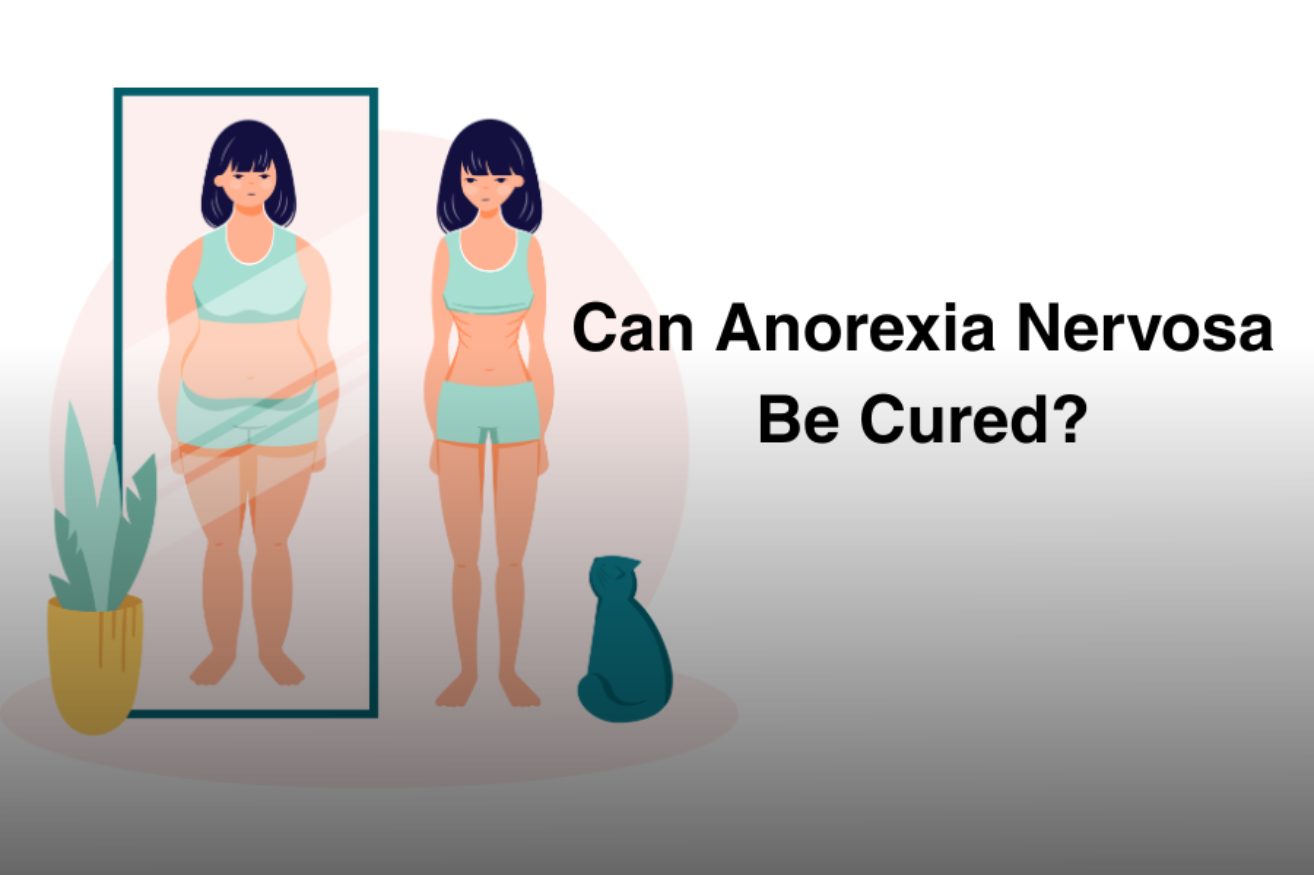
Think about the situation -
Nosy Relative: 'You look.. healthier. Are you sure you should be eating that dessert?'
You (internally): 'Ah, yes, because nothing says 'recovery' like unsolicited commentary on my plate'.
That weight = health (Spoiler: You can't eyeball someone's mental state).
Little Fact - 75% of people with eating disorders report harmful comments from family.
At MPOWER, one of the top mental health organizations in India, we stamp out the stigma and bust the myths with real facts because recovery is possible. But it's not as simple as flipping a switch, and it needs consistency. So, let's delve into the biggest misconceptions about anorexia and uncover the truth of Mental health care in India.
Anorexia nervosa isn't a 'phase', a 'diet gone too far', or a cry for attention. It's a life-threatening mental illness wrapped in layers of myths-and it's time we unravel them with facts (and maybe a little dark humour, because if we don't laugh, we'll cry into our carefully measured oatmeal).
Ready to debunk this misconception? Let's go.
1. Anorexia Nervosa Is All About Wanting The Zero Figure
Bollywood, Hollywood, models, and now even Instagram influencers have created this faux of perfect body image, haven't they? Let's blame them.
Anorexia isn't just about vanity. It's a serious mental illness that requires care and support.
- Distorted Body Image (The brain sees the body differently)
- Extreme fear of weight gain (even when underweight)
- Control and coping mechanisms (food restriction can feel like the only thing a person can control).
Think of it like telling someone with anorexia to 'just eat a burger' is as unhelpful as telling someone with depression to 'just cheer up' or a recovering smoker to 'just one puff'. It isn't just ineffective but deeply harmful.
Fact: It's a Complex Mental Health Disorder where expert-led treatment is mandatory.
2.Only Teenage girls get Anorexia Nervosa
Sorry, but not sorry. The portrayal of anorexia as a 'rich teenage girl problem' in the entertainment world is completely outdated. There is no valid reason. In fact, it's inaccurate with no credible data supporting this narrow stereotype.
Let's have a reality check -
- Assuming eating disorders are feminine is like assuming only women get depression - completely baseless.
- Men report for 25% of eating disorder cases; however, men are often underdiagnosed because of stigma.
- Adults in their 30s, 40s, and beyond can also develop anorexia (it's not just a 'teen problem').
- Most importantly, LGBTQ+ individuals face higher risks due to societal pressures.
So what is the bottom line here? The bottom line is that anorexia doesn't discriminate.
Fact: It Affects All Genders, Ages, and Backgrounds
3. You Can Tell Someone Has Anorexia Nervosa Just by Looking at Them
Thanks to the stereotypes, we assume anorexia nervosa is the same as the emaciated, skinny, or, bluntly speaking, malnourished personalities. But the reality is more complex.
- Atypical anorexia nervosa exists - Here, people may be at a 'normal' or higher weight but still suffer severe restriction.
- High-functioning anorexia symptoms - It means someone might seem 'fine' while secretly struggling with anorexia.
Hence, you can't diagnose an eating disorder with your eyes. You will need professional support. Professionals at Mpower are highly experienced as well as knowledgeable. They understand your unique situation and work with you to develop a personalized path forward.
Fact: Many Sufferers Don't 'Look Sick'
Recovery Means Not Just Gaining Weight
Weight restoration is crucial for severe cases, but true recovery from Anorexia isn't just physical but mental too.
The recommended Anorexia Treatment includes:
- Therapy (CBT, DBT, or family-based treatment)
- Nutritional rehab (relearning hunger cues)
- Addressing trauma or anxiety (because anorexia symptoms are rarely just about food)
Fact: Healing from Anorexia Requires Psychological and Physical Treatment
5. Once You Recover, you're 'Cured' Forever - Understand The Reality
Expecting permanent, perfect recovery is like expecting to learn piano once and instantly become concert-ready forever.
Anorexia Nervosa isn't like the flu - you don't just 'get over it', or like getting Immune to a virus." Many people recover fully, but:
- Relapses can happen (stress, trauma, or major life changes can trigger old habits).
- Maintenance is key (ongoing therapy, support groups, and self-care help).
Think of it like sobriety: Some days are easy, some are hard, but progress is always possible with consistency.
Fact: Recovery is a Lifelong Journey, A Lifelong Practice (Like Sobriety)
6. Parents or Friends Are to Blame
Blaming families could be a popular theory in the 1900s, due to a lack of awareness, but modern science says:
- Genetics plays a huge role (if a close relative has an eating disorder, the risk increases).
- Societal + biological factors (perfectionism, anxiety, trauma) play a far greater role than 'Mom made you clean your plate.
So no, your friend's anorexia symptoms weren't caused by one comment you made in 10th grade.
Fact: It's Not About 'Bad Parenting' or 'Peer Pressure'
7. Parents Cause Eating Disorders
Blaming parents for anorexia is like blaming umbrella manufacturers for hurricanes
- Genetic risk is 50-80% (if a parent has an ED, risk increases 12x).
- Societal factors (diet culture, trauma) matter more than family meals.
- Recovery requires family support, not finger-pointing.
Fact: It's Biology + Environment (Not Just Your Mom)
8. You Can't Fully Recover from Anorexia Symptoms
This myth is dangerous because it makes people lose hope. The truth?
- Many people fully recover and live without food or weight obsession.
- Early intervention improves outcomes (the sooner someone gets help, the better).
- Support systems make a huge difference (therapy, loved ones, and community help)
Yes, it's hard, but recovery is worth it.
Fact: Full Recovery IS Possible!
So, Can Anorexia Nervosa Be Cured? (The Reality)
Yes, but recovery works more like blooming a flower than fixing a broken vase.
Anorexia Nervosa isn't a phase (despite what your aunt's Facebook memes claim), a diet (unless 'surviving on ice cubes and anxiety' is the new keto), or a personality trait (sorry, 'control freak' doesn't belong on a DSM-5 checklist). It's a complex, life-threatening disorder that demands:
- Professional help (therapist/Counsellor near you > Instagram or AI self-diagnosis)
- Time (healing happens in decades, not Disney-movie montages)
- Compassion (read: no 'you look healthier!' backhanded compliments)
The good news is that the brain can rewire. Hunger cues can be relearned, and full recovery is 100% possible, with the right support squad.
How We at MPOWER Fight Back (With Facts & Sass)
We're the myth-busting, stigma-smashing warriors who:
- Replace 'just eat!' nonsense with science (spoiler: it's never just about food)
- Arm workplaces & schools with real mental health tools (take that, diet culture!)
- Laugh in the face of stereotypes (because if we don't mock the myths, they win)
Mpower is revolutionizing mental health care for anorexia in India by bridging the gap in mental health care. We empower communities through awareness, helping them recognize early warning signs like obsessive calorie counting and food avoidance, while training schools, colleges, and workplaces to identify at-risk individuals - our innovative outreach model's initiatives to reach diverse populations across urban and rural areas. By challenging cultural stigmas and misconceptions, we're creating a supportive ecosystem where seeking help is normalized from counsellor near you is easy. We address both the physical and psychological aspects of anorexia, making comprehensive recovery a reality for more people.
Struggling? Reach out. Know someone who is? Forward this with love. Still think anorexia is a 'lifestyle'? Read this again-we'll wait.
image credit : freepik

Understanding Substance Abuse: Types, Causes And Warning Signs
Acrophobia - Fear of Heights: Signs and How to Treat It