


Balancing Career, Family, and Self: Mental Health Challenges of Modern Women
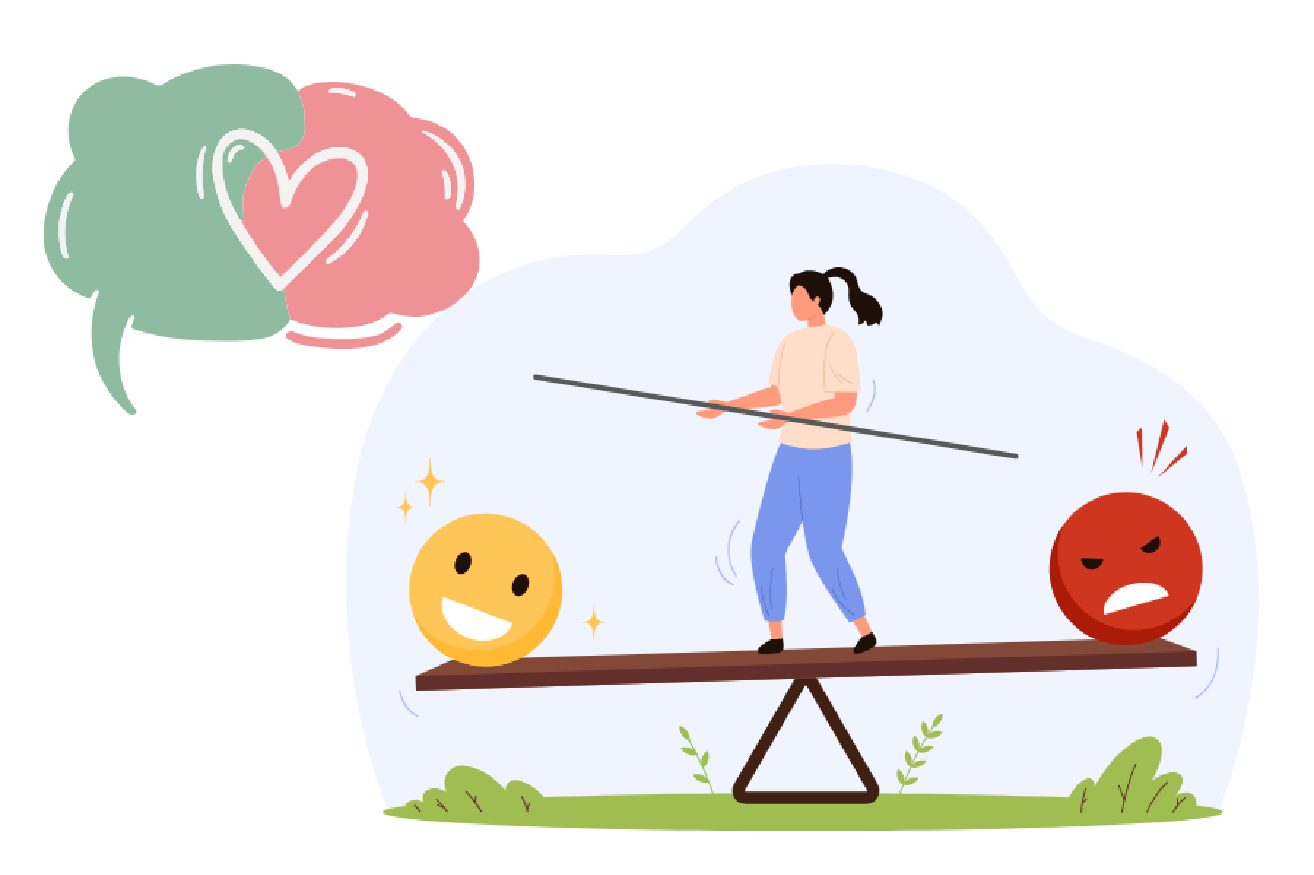
In today's rapidly changing world, women are taking on multiple roles with remarkable strength and determination. Many women today are professionals, caregivers, partners, mothers, daughters, and community members, all at the same time. While this progress represents empowerment and opportunity, it also brings a unique set of challenges. The constant effort to balance career aspirations, family responsibilities, and personal well-being can often create emotional strain. As a result, mental health concerns among modern women are becoming an important issue that deserves attention, understanding, and support.
Balancing these different roles is not simply about time management. It is also about emotional energy, social expectations, identity, and personal fulfillment. Understanding these challenges can help create healthier environments where women feel supported both at work and at home.
The Multiple Roles Women Navigate
Modern women often find themselves managing several responsibilities simultaneously. A working woman may begin her day preparing meals, ensuring children are ready for school, managing household tasks, and then heading to work where professional expectations demand focus and productivity. After work, responsibilities at home continue, helping children with studies, caring for family members, and managing household decisions.
These multiple roles can create what psychologists often refer to as role overload. When expectations from different areas of life accumulate, it can lead to emotional exhaustion and stress. Even when women are highly capable and resilient, the continuous pressure to perform well in every role can become overwhelming.
Research suggests that this balancing act is becoming increasingly demanding. A large mental health report in India found that one in two women experiences chronic stress due to work-life imbalance, financial pressures, and societal expectations.
The expectation that women should excel in every role-career, motherhood, marriage, and personal life-creates a level of pressure that can significantly affect emotional health.
Workplace Pressures and Gender Expectations
The workplace has evolved significantly, with more women participating in various industries and leadership roles. However, gender-based expectations still exist in many professional settings. Women may feel the need to work harder to prove their competence, especially in male-dominated environments.
Challenges such as unequal opportunities, workplace bias, wage gaps, and limited representation in leadership positions can contribute to frustration and stress. Globally, research also indicates that women face higher levels of burnout at work. A workplace mental health report found that 59% of women reported burnout compared to 46% of men, highlighting a significant gender gap in workplace stress.
These challenges are compounded by the expectation that women continue to manage domestic responsibilities even while maintaining full-time careers. This phenomenon is often referred to as the 'double shift', where women complete paid work during the day and unpaid household labor afterward.
The Invisible Mental Load
Beyond physical tasks, many women carry what researchers describe as the mental load, the invisible planning and emotional management involved in maintaining family life. This includes remembering appointments, planning meals, organizing schedules, anticipating family needs, and managing emotional dynamics within the household.
While these tasks may not always be visible, they require continuous cognitive effort. Over time, the mental load can contribute to chronic stress and feelings of being overwhelmed. When these responsibilities are not shared equally within families, women may feel unsupported and emotionally drained.
Recognizing and redistributing this mental load is an important step toward creating healthier family systems.
The Pressure to Be 'Perfect'
Modern women often face unrealistic expectations shaped by social media, cultural norms, and societal narratives. There is often an implicit message that a successful woman should excel in every domain, career success, perfect parenting, strong relationships, social involvement, and personal well-being.
This pressure to be perfect can lead to perfectionism, self-criticism, and fear of failure. When women feel they must constantly meet high expectations, even small setbacks can trigger feelings of inadequacy or guilt.
Psychological research shows that perfectionism can contribute to anxiety, stress, and decreased self-esteem. Women who feel they must constantly prove themselves, both at home and at work, may become overly self-critical and emotionally exhausted.
Learning to embrace imperfection and redefine success based on personal values rather than societal expectations is an essential aspect of maintaining mental health.
Emotional Burnout and Stress
When the demands of work, family, and personal responsibilities accumulate without adequate rest or support, emotional burnout can occur. Burnout is characterized by feelings of exhaustion, reduced motivation, irritability, and a sense of being overwhelmed.
Workplace research highlights the scale of this issue. A global survey found that 53% of women reported higher stress levels compared to the previous year, and nearly half reported feeling burned out.
Burnout does not only affect professional productivity. It can also impact physical health, sleep patterns, and relationships. Many women experiencing burnout report symptoms such as fatigue, difficulty concentrating, irritability, and feelings of emotional numbness.
One challenge is that many women normalize this exhaustion as part of daily life. Because they are accustomed to caring for others, they may overlook their own emotional needs until stress becomes severe.
Recognizing the early signs of burnout and seeking support can help prevent more serious mental health difficulties.
The Struggle to Prioritize Self-Care
Self-care is often discussed as an important aspect of mental health, yet many women struggle to prioritize it. Cultural expectations sometimes portray self-care as selfish or unnecessary, especially when family needs appear more urgent.
However, self-care is not merely about relaxation or leisure activities. It includes maintaining physical health, setting emotional boundaries, seeking social support, and engaging in activities that promote personal fulfillment.
Without intentional time for rest and reflection, women may gradually lose touch with their own interests, goals, and emotional needs. Over time, this can lead to feelings of resentment, frustration, or loss of identity.
Prioritizing self-care is not about neglecting responsibilities; rather, it is about sustaining the emotional energy needed to fulfill those responsibilities in a healthy way.
The Role of Support Systems
Support systems play a crucial role in helping women navigate the challenges of balancing different life roles. Emotional support from partners, family members, friends, and colleagues can significantly reduce stress and enhance well-being.
Shared household responsibilities, flexible work arrangements, and understanding workplace cultures can make a meaningful difference. For example, research suggests that flexible work arrangements, such as hybrid work models, can improve work-life balance and contribute to better mental health outcomes for women.
Open communication within families is also crucial. When responsibilities are distributed fairly and emotional needs are acknowledged, women are less likely to feel overwhelmed. Communities and social networks can also provide spaces where women feel heard, validated, and encouraged.
Redefining Success and Balance
One of the most empowering steps women can take is redefining what success and balance mean for them personally. Balance does not necessarily mean giving equal time to every role every day. Instead, it involves aligning priorities with personal values and recognizing that needs may change at different stages of life.
Some periods may require greater focus on career growth, while others may require more attention to family or personal well-being. Accepting that balance is dynamic rather than fixed can reduce unnecessary pressure.
Women who learn to set realistic expectations for themselves often experience greater satisfaction and emotional resilience.
The Importance of Mental Health Awareness
Increasing awareness about mental health challenges faced by women is essential for creating supportive environments. Conversations about emotional well-being should be normalized both in families and workplaces.
Access to counseling, mental health resources, and supportive professional environments can help women manage stress and develop healthier coping strategies. Therapy can provide a safe space for women to explore their experiences, identify patterns of stress, and develop practical tools for maintaining emotional balance.
Educational initiatives that promote mental health awareness can also help reduce stigma and encourage women to seek help when needed.
Strategies for Maintaining Emotional Well-Being
While systemic support is important, individual strategies can also help women maintain emotional balance. Practicing mindfulness and stress management techniques can help women stay present and reduce anxiety related to overwhelming responsibilities.
Setting clear boundaries between work and personal life is another important step. For example, creating designated times for work and family activities can prevent roles from constantly overlapping.
Building supportive relationships and maintaining meaningful social connections can also enhance emotional resilience. Sharing experiences with trusted friends or family members can provide comfort and perspective.
Finally, practicing self-compassion is essential. Women often extend kindness and understanding to others, but may judge themselves harshly when they feel they are not meeting expectations. Treating oneself with the same empathy offered to others can significantly improve emotional well-being.
Moving Toward a Healthier Future
The challenges faced by modern women highlight the need for broader societal changes. Encouraging shared responsibilities within families, promoting gender equality in workplaces, and prioritizing mental health awareness and care can create environments where women feel supported rather than overwhelmed.
Organizations, communities, and families all have roles to play in creating systems that acknowledge the complexity of women's lives. When women are supported in balancing career ambitions, family commitments, and personal well-being, the benefits extend beyond individuals to families, workplaces, and society as a whole.
Conclusion
Modern women are navigating an intricate balance between career aspirations, family responsibilities, and personal well-being. While these opportunities represent progress and empowerment, they also introduce emotional and psychological challenges that cannot be ignored. Recognizing the mental health challenges associated with multiple roles is an important step toward building supportive environments. By promoting shared responsibilities, encouraging open conversations about emotional well-being, and prioritizing self-care, women can move toward healthier and more fulfilling lives. Ultimately, balance is not about perfection. It is about creating space for growth, rest, connection, and self-understanding. When women are supported in caring for their mental health, they are better able to thrive in every role they choose to embrace.
Frequently Asked Questions
1. What are the biggest mental health challenges faced by modern women?
Modern women often face challenges like work pressure, caregiving responsibilities, societal expectations, and emotional burnout. Managing multiple roles simultaneously can lead to stress, anxiety, and feelings of overwhelm, especially when there is limited time for self-care or personal identity.
2. Why is it difficult for women to balance career, family, and self-care?
Balancing these roles is difficult due to overlapping responsibilities and societal expectations. Women are often expected to excel professionally while also managing household and caregiving duties, creating constant pressure and reducing time for rest and personal well-being.
3. How does work-life imbalance affect women's mental health?
An imbalance between work and personal life can lead to chronic stress, burnout, emotional exhaustion, and reduced productivity. Over time, it may also impact relationships, self-esteem, and overall psychological well-being.
4. What is emotional burnout in women?
Emotional burnout is a state of mental and physical exhaustion caused by prolonged stress. It often results from trying to meet unrealistic expectations across work, family, and personal life, leaving individuals feeling drained, detached, and overwhelmed.
5. How can women manage stress while balancing multiple roles?
Women can manage stress by setting boundaries, prioritizing tasks, practicing self-care, and building support systems. Seeking professional help and allowing flexibility in expectations can also significantly improve mental well-being.
6. Why is self-care important for working women?
Self-care helps maintain emotional balance, reduce stress, and improve overall mental health. Without it, women may experience burnout and fatigue, making it harder to manage responsibilities effectively.
7. How do societal expectations impact women's mental health?
Societal norms often pressure women to fulfill traditional roles alongside professional success. This dual expectation can create guilt, self-doubt, and emotional strain, making it harder to achieve a healthy balance.
8. What role does the support system play in women's mental well-being?
A strong support system-family, friends, or colleagues-helps reduce stress, share responsibilities, and provide emotional comfort. It plays a crucial role in preventing isolation and improving resilience.
9. When should women seek professional help for mental health?
Women should consider professional help if they experience persistent stress, anxiety, fatigue, mood changes, or difficulty coping with daily responsibilities. Early intervention can prevent more serious mental health concerns.
10. Can achieving "perfect balance" between career and family be realistic?
Perfect balance is often unrealistic. Instead, a flexible and evolving approach works better, where priorities shift based on life stages, personal needs, and circumstances.
11. How does identity conflict affect modern women?
Women often struggle with identity conflict while juggling multiple roles-professional, caregiver, partner, and individual. This can lead to confusion, emotional stress, and a sense of losing one's personal identity.
12. What are practical ways to improve work-life balance for women?
Some effective strategies include:
- Setting clear boundaries
- Delegating responsibilities
- Practicing mindfulness
- Prioritizing personal time
- Seeking workplace flexibility
These steps can help create a healthier and more sustainable balance.
13. How will you balance your family life and career?
Balancing family life and career requires setting realistic expectations, prioritizing tasks, and creating clear boundaries between work and personal time. Building a support system, communicating needs openly, and making space for self-care are essential. Rather than striving for perfection, adopting a flexible approach helps manage changing responsibilities effectively.
14. What are the 7 balances of life?
The 7 balances of life typically include career, family, health, relationships, personal growth, finances, and emotional well-being. Maintaining harmony across these areas helps individuals lead a more fulfilling and stable life, preventing burnout and ensuring that no single aspect consistently overwhelms the others.
15. Why is it important to balance career and family life?
Balancing career and family life is important for maintaining mental and emotional well-being. Without balance, individuals may experience stress, burnout, and strained relationships. A healthy balance supports productivity at work, strengthens personal connections, and allows time for rest, ultimately leading to a more sustainable and satisfying lifestyle.
16. What are the 4 pillars of work-life balance?
The four pillars of work-life balance are time management, boundaries, self-care, and support systems. Together, they help individuals manage responsibilities effectively, protect personal time, maintain physical and mental health, and rely on others when needed to reduce stress and improve overall well-being.
17. What is the 8-8-8 rule for work-life balance?
The 8-8-8 rule is a simple framework for structuring a balanced day by dividing 24 hours into three equal parts:
- 8 hours for work (professional responsibilities)
- 8 hours for sleep (rest and recovery)
- 8 hours for personal life (family, self-care, hobbies, and relaxation)
This approach promotes healthier routines by ensuring that no single area dominates your time. While it may not always be practical in modern lifestyles, it serves as a useful guideline to maintain balance and prevent burnout.
image credit : freepik

Understanding Substance Abuse: Types, Causes And Warning Signs
Acrophobia - Fear of Heights: Signs and How to Treat It