


How Psychotherapy Helps in Late-Life Depression And Anxiety: A Path to Healing, Hope, And Healthy Aging
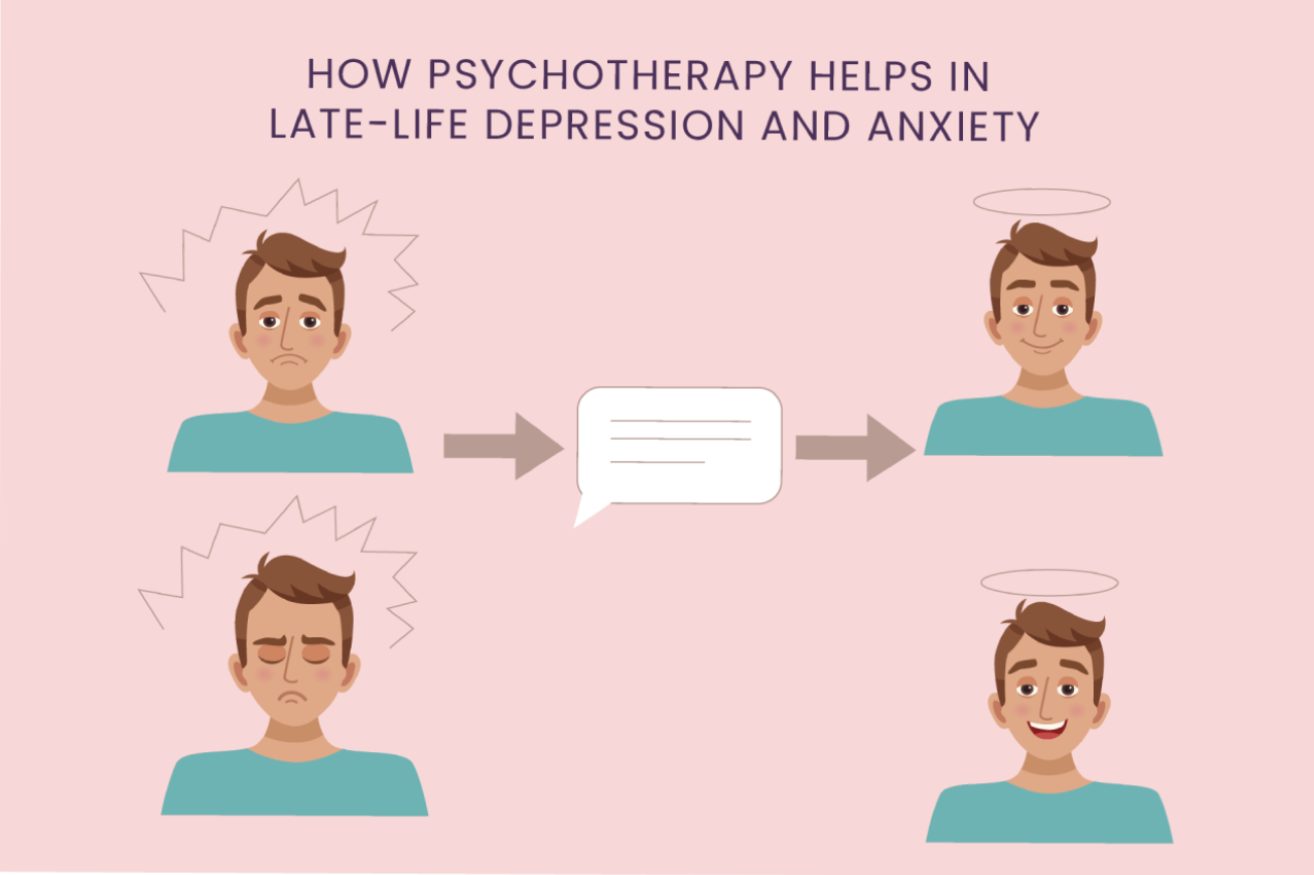
Aging is often described as a journey - a movement from one life chapter to another, filled with memories, wisdom, and quiet transformation. But for many older adults, this journey is not always gentle. With retirement, shifting family roles, chronic health concerns, bereavement, and social isolation, emotional well-being can become fragile. Depression and anxiety in later life often remain misunderstood, minimized, or attributed to just old age .
Yet the truth is simple: late-life emotional distress is not an inevitable part of aging-and psychotherapy can make a profound difference.
Psychotherapy becomes more than treatment in these years; it becomes a bridge. A bridge between past and present, loss and meaning, uncertainty and resilience. This blog explores how therapy helps older adults heal, rediscover purpose, and develop emotional strength in the face of change.
Understanding Late-Life Depression and Anxiety
Depression in older adults is often subtle. It may show up not as sadness but as fatigue, withdrawal, irritability, forgetfulness, or unexplained physical complaints. Anxiety may appear as restlessness, excessive worrying about health, difficulty sleeping, or fear of being a burden. The causes are never one-dimensional. Common triggers include:
- Loss of spouse, friends, or long-term relationships
- Illness, chronic pain, or mobility limitations
- Caregiver stress
- Financial dependency or retirement-related uncertainties
- Loneliness and lack of meaningful engagement
- Cognitive changes
- Unresolved emotional wounds resurface in later years
Contrary to myths, older adults respond extremely well to psychotherapy-sometimes even better than younger adults, because they bring lived experience, maturity, and deep reflection to the process.
Why Psychotherapy Works So Well in Older Adults
Psychotherapy offers something essential that many older adults lack: a safe space to talk openly, without judgment, pressure, or fear of burdening family members. This alone can be profoundly healing.
Additionally, therapy helps adults:
- Reinterpret their life story with compassion
- Build coping strategies for new limitations
- Navigate grief, transitions, and identity shifts
- Strengthen relationships
- Rebuild routines, structure, and motivation
- Improve cognitive and emotional flexibility
- Reduce dependence on medication
Most importantly, therapy helps older adults feel seen and heard, often for the first time in years.
1. Cognitive Behaviour Therapy (CBT): Reframing Thoughts, Reclaiming Life
CBT is widely regarded as one of the most effective psychotherapy approaches for older adults. It focuses on identifying unhelpful thought patterns-like I m a burden , Nothing will ever change , or I can t cope -and replacing them with more balanced perspectives.
How CBT Helps:
- Challenges negative beliefs tied to aging
- Reduces anxiety by interrupting worry cycles
- Improves sleep through behavioural adjustments
- Enhances motivation by setting small achievable goals
- Helps build realistic routines and daily structure
CBT is especially powerful for older adults dealing with chronic illness. Instead of trying to change the illness, CBT helps change the interpretation and emotional response to it .
2. Interpersonal Therapy (IPT): Healing Through Connection
Many older adults grapple with loneliness and the pain of losing lifelong roles. IPT focuses on improving relationships and understanding how changes in life roles impact emotional health.
How IPT Helps:
- Supports grief and loss processing
- Strengthens communication with family
- Helps adjust to new life roles after retirement or caregiving
- Reduces isolation by reconnecting the person with meaningful social networks
Read more about the modern approaches in geriatric psychiatry.
3. Reminiscence and Life-Review Therapy: The Power of Remembering
This therapy uses storytelling and memory-sharing as a form of healing. Older adults often carry regrets, unspoken pain, or incomplete chapters in their emotional narrative.
In reminiscence therapy, they revisit life experiences-not just to recall them, but to reframe and reinterpret them.
Benefits Include:
- Improved self-esteem and identity
- Reduction in depressive symptoms
- Enhanced sense of purpose
- Emotional closure
- Strengthened family bonding when done together
This approach recognizes that older adults are reservoirs of stories-therapy simply helps them find meaning in them again.
4. Mindfulness-Based Therapies: Calming the Anxious Mind
Mindfulness, breathing exercises, and meditation practices help older adults reduce anxiety, regulate emotions, and stay grounded.
Why Mindfulness Works Well in Later Life:
- Helps reduce rumination and worry
- Improves pain tolerances
- Enhances attention and memory
- Encourages acceptance of bodily and life changes
- Promotes better sleep
Mindfulness gives older adults the tools to live in the present moment, easing fears about the future and regrets about the past.
5. Supportive Therapy: A Gentle, Compassionate Approach
For adults who may have multiple medical concerns or cognitive limitations, supportive therapy offers emotional strengthening through validation, reassurance, and problem-solving.
Key Benefits:
- Enhances feelings of safety
- Reduces hopelessness
- Encourages adaptive coping
- Provides consistent emotional support
Sometimes, the most powerful therapeutic tool is simply being a steady, empathetic presence.
6. Group Therapy: Building Community and Connection
Older adults often say, I thought I was the only one feeling like this. Group therapy breaks that illusion. When participants share similar life transitions, it builds camaraderie and reduces loneliness.
Benefits of Group Therapy:
- Peer support
- Decreased sense of isolation
- Healthy social engagement
- Shared learning of coping techniques
- Improved communication and confidence
For older adults who struggle socially, this can reignite a sense of belonging.
7. Family Therapy: Strengthening Bonds Across Generations
Late-life depression and anxiety often affect the entire family ecosystem. Family therapy helps bridge gaps between older adults and their children or caregivers.
How It Helps:
- Reduces misunderstandings
- Improves communication
- Clarifies expectations
- Supports caregivers experiencing burnout
- Helps families plan for future care
Family therapy restores connection where relationships may have faded, frayed, or become strained.
How Psychotherapy Turns Challenges Into Opportunities
Psychotherapy does not erase life challenges-it transforms the way they are experienced.
Through therapy, older adults learn that aging does not mean shrinking, withdrawing, or losing relevance. Instead, it can mean:
- Growing emotionally
- Forgiving oneself and others
- Finding new meaning
- Reinventing relationships
- Restoring personal autonomy
- Discovering joy in small routines
- Accepting transitions with dignity
Psychotherapy becomes a pathway toward emotional renewal.
Real Transformation: What Therapy Helps Older Adults Achieve
By the end of therapy, older adults often report:
- Increased hope
- More stable mood
- Reduced fear and worry
- Improved daily functioning
- Renewed interest in hobbies
- Better sleep
- Enhanced relationships
- More confidence in managing health challenges
- A clearer sense of identity and purpose
These outcomes are not just clinical-they are deeply human.
Conclusion: It Is Never Too Late to Heal
The later years of life hold immense potential for emotional growth. Psychotherapy offers older adults a gentle, structured, and empowering way to navigate depression, anxiety, and life transitions. It reminds them that: Healing is possible at any age. Strength does not diminish with time. And every stage of life deserves joy, purpose, and peace. Late-life psychotherapy is not just treatment-it is a celebration of resilience, wisdom, and the human spirit s ability to transform.
image credit : freepik

CBT for Fear of Heights: Treatment and Self-Help Tips for Acrophobia
Acrophobia vs Vertigo: How to Identify The Difference And What Can Help