


How Social Isolation Impacts Geriatric Mental Health? How to Reverse It?
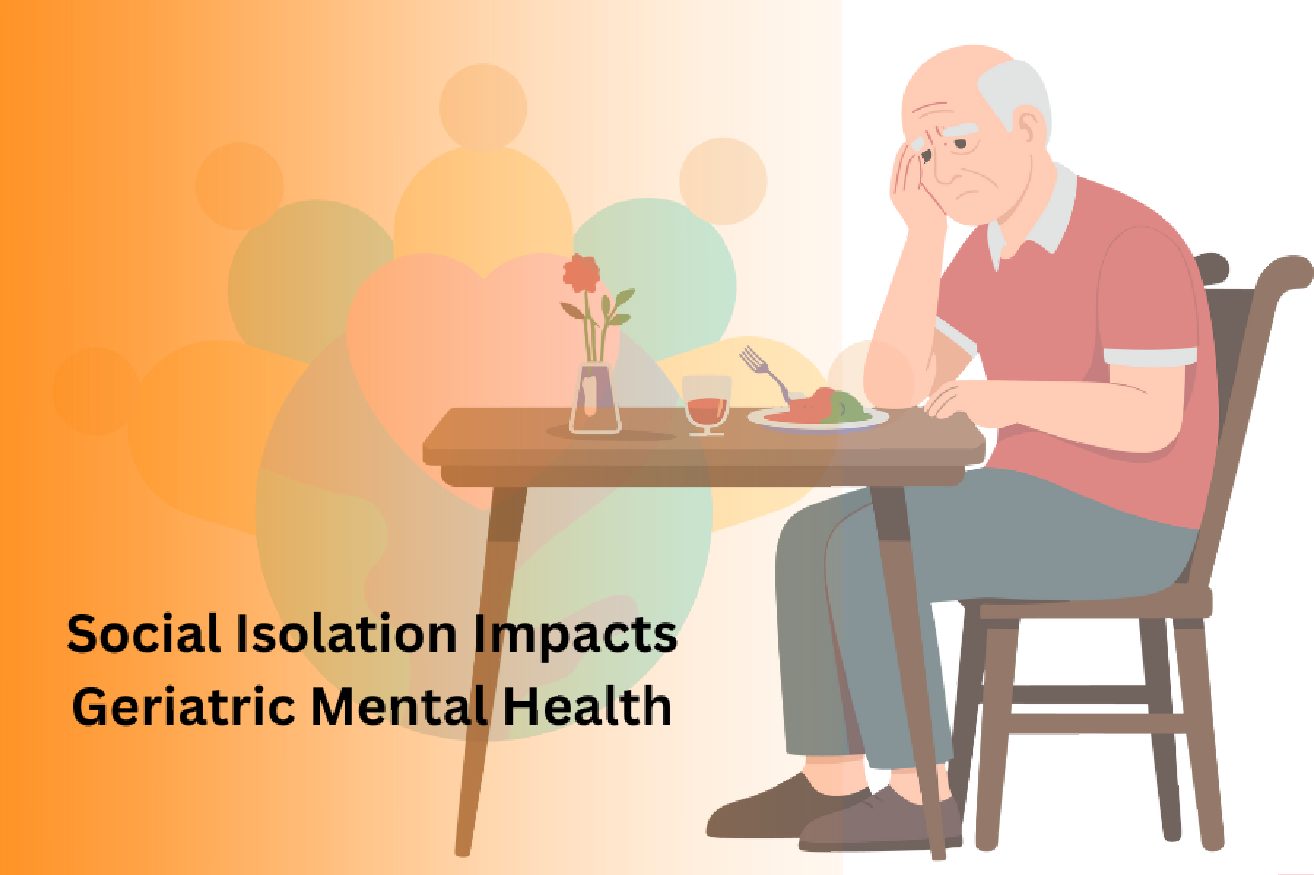
It is inevitable to get older. It isn't loneliness.
very morning, an 82-year-old man sits next to a window.
Even now, the sun finds him.
He is still greeted by the breeze.
But the voices that used to fill his house
They are more subdued.
Less walking, less talking, less motivation to go outside.
A 74-year-old woman browses her daughter's pictures on the internet across the city - grandchildren growing, festivities taking place, life in motion. She uses a screen to watch it all. Every post is liked by her. On the inside, though, she questions whether they consider me as frequently as I do.
For thousands of seniors today, this is their hidden emotional terrain. Being alone isn't the only factor contributing to social isolation among the elderly.
At Mpower, one of the top mental health care providing organisation in India, we hold the conviction that every senior is entitled to a life enriched with connection, dignity, and purpose. It starts with grasping the true impact of isolation on a mind that has experienced much, contributed significantly, and still possesses tales to share.
The Subtle Burden of Solitude
Social isolation gradually makes its presence known. There are no alarms or warnings included. It flourishes in the silences - the extended afternoons, the unanswered phone calls, the vacant chair at the dining table. While the world views aging as a gradual decline, numerous seniors perceive it as a complete halt - affecting their relationships, mobility, participation, and sense of identity.
However, there is a reality we frequently overlook:
- The mind remains ever active.
- The heart never takes a break.
- Only the world becomes more silent
That serenity is not without its price.
The Impact of Social Isolation on the Elderly Mind
1. It transforms silence into sorrow.
Loneliness in old age is a profound experience. It is quite weighty. Everyday moments - sipping tea alone, waiting for calls that never arrive - But what arrives is the feeling of achingly empty. This profound sense of emptiness can subtly transform into depression, frequently concealed behind expressions such as:
'I'm fine'.
'Everyone has their hands full'.
'I prefer not to inconvenience anyone'
.The reality?
Their hearts yearn for connection.
2. It amplifies anxiety.
As seniors engage with fewer individuals, their concerns tend to increase.
'What if I stumble?'
'What if I overlook something significant?'
'What if something occurs and remains unknown to everyone?'
Isolation transforms fear into a constant companion, one that perpetually murmurs the worst possible outcomes.
3. It reduces mental acuity.
Talking is a brain workout.
Cognitive muscles deteriorate in their absence.
Seniors who are isolated are more likely to:
- loss of memory
- misunderstanding
- thinking more slowly
- early stages of dementia
- Lack of stimulation is the cause, not aging.
4. It saps motivation.
Even little chores begin to seem pointless when there is no one with whom to share moments. A once-enthusiastic cook might quit trying out new recipes. Books may go unread by a once-passionate reader. Even though they long for connection, an elderly person who was formerly gregarious may gradually develop the habit of isolating themselves.
5. It increases stress and interferes with sleep
At night, loneliness has an odd way of reverberating.
Seniors frequently report:
- Sleeping restlessly
- heavy thinking
- emotional exhaustion
- ongoing stress
- These cycles also affect memory and mood.
6. It takes away their sense of direction.
Humans require usefulness more than companionship. We require purpose. Seniors start to feel invisible when they are excluded from discussions, events, plans, and decision-making. Furthermore, one of the most excruciating types of isolation is invisibility.
7. The good news is that social isolation can be reversed.
When the connection is restored, the elderly mind can heal in a beautiful, gentle, and potent way. Grand gestures are not what they need. They ought to be present. Warmth. Engagement. An excuse to grin once more.
Here are some strategies for changing their emotional narrative.
1. Bring back minor social customs
A phone call in the morning. A breakfast together on the weekend. A stroll through the park. Assisting them in making video calls to former acquaintances. Together, they read the newspaper. genuinely listening to them and asking for their advice. These small rituals create emotional oxygen.
2. Plant new passions or rekindle old ones
Hobbies enhance identity in addition to providing entertainment. Seniors are brought to life by:
- music
- gardening
- knitting
- circles for reading
- clubs that tell stories
- spiritual communities
- workshops for the arts
Hobbies provide meaning. Energy comes from purpose. Life is energy.
3. Establish a connection with their community
Medicine is a community. It restores what loneliness destroys. Elderly people can remember they still belong in places like senior centers, cultural events, book clubs, and laughter sessions. Isolation is the antithesis of belonging.
4. Convert motion into interaction
- Exercise only needs to be deliberate; it doesn't have to be strenuous.
- A stroll with the neighbors
- A class yoga session
- A basic stretching exercise
- Chair exercises while conversing
- Shared movement improves spirits, and movement itself improves mood.
5. Use love and patience to teach them technology.
One digital skill can lead to connections.
Teach them how to:
- video call
- exchange pictures
- Join a group on WhatsApp,
- watch videos about hobbies or devotions.
- Engage them in online senior meetings
Instead of being a barrier, technology can serve as a bridge.
6. Allow experts to accompany them on their journey.
Seniors sometimes require more than just companionship. They require lucidity. A secure area. A good listener. Our geriatric mental health services at Mpowers are compassionately and respectfully tailored to each individual, taking into account their strengths, fears, pace, and story. Programs for emotional wellness, support groups, and therapy assist seniors in regaining their sense of self and community.
Conclusion:
Ultimately, the greatest concern is connection. Growing older is a beautiful thing because it brings with it resilience, love, wisdom, and history. However, aging on your own can be disastrous. The good news? Isolation is temporary. A single human moment can transform an entire day. And it only takes a few of these days to make a difference. Check in. Make contact. Pay close attention. Laugh a lot. Be present when it counts and even when it doesn't. Every senior should feel seen, appreciated, and emotionally supported, and that is what we at Mpowers stand for. Because growing older marks the start of a more subdued, compassionate, and significant chapter rather than the end of one. A chapter deserving of companionship, affection, and warmth.
image credit : freepik

Understanding Substance Abuse: Types, Causes And Warning Signs
Acrophobia - Fear of Heights: Signs and How to Treat It